Photos and behavior
Every fish now has a photo, description, habitat notes, and a simple story.
Fishing Cyprus Wiki
Preparing the water
0%
Fish guide
Explore fish in Cyprus: search by species or method, filter by water and difficulty, then open the detailed fishing guide.
Every fish now has a photo, description, habitat notes, and a simple story.
Venomous, toxic, and genuinely risky accidental catches are separated.
Species like silver-cheeked toadfish and non-target tiny fish are marked separately; check handling and rules for others.
It is not fish size or danger. It means how hard it is to consistently find, trigger, and catch the species in real Cyprus conditions.
Beginner-friendly: simple tackle, clear bites, and less demand for perfect presentation.
Gear
Float rod, feeder, or simple bottom rig; small set of hooks, weights, and bait.
Weather
Best with wind under 18 km/h, moderate UV, and low rain chance.
Requires reading the spot: depth, wind, cover, fish activity, and retrieve speed.
Gear
Bring 2-3 methods, spare leaders, different weights/lures, and unhooking tools.
Weather
Wind at 18-28 km/h affects casting; watch gusts, pressure, and swell.
Hard to catch consistently: the species may be rare, local, seasonal, depth-sensitive, weather-sensitive, or active only in short windows.
Gear
Tackle depends on method and spot. Having options, patience, and spot-reading matters more than one 'correct' rig.
Weather
Watch activity windows: wind, pressure, clarity, water level, current, and light can matter more than the lure.
Danger species are separated: venomous, toxic, or potentially risky accidental catches.
Smart filters
Found: 51
Place
Water type
Fish
Difficulty

Seriola dumerili
Amberjack is a strong active sea predator, often from a boat. You need to find fish and control the tackle well.
summer-autumn
1 spots
edible when handled correctly

Leuciscus aspius
Asp appears in the older DFMR general reservoir species list, but the 2026 per-dam table does not assign it to a specific location. It stays as a rare reference species for now.
spring-autumn
0 spots
edible when handled correctly
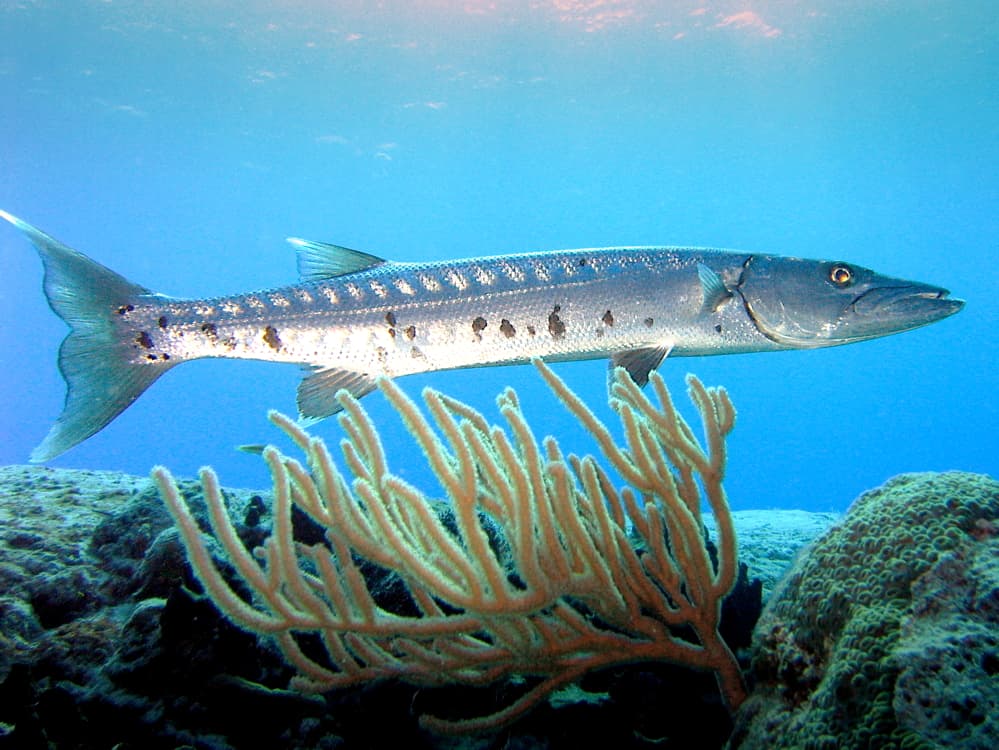
Sphyraena sphyraena / Sphyraena viridensis
Barracuda is a fast coastal predator with very sharp teeth. It is not venomous, but dangerous when unhooking.
summer-autumn
3 spots
edible when handled correctly
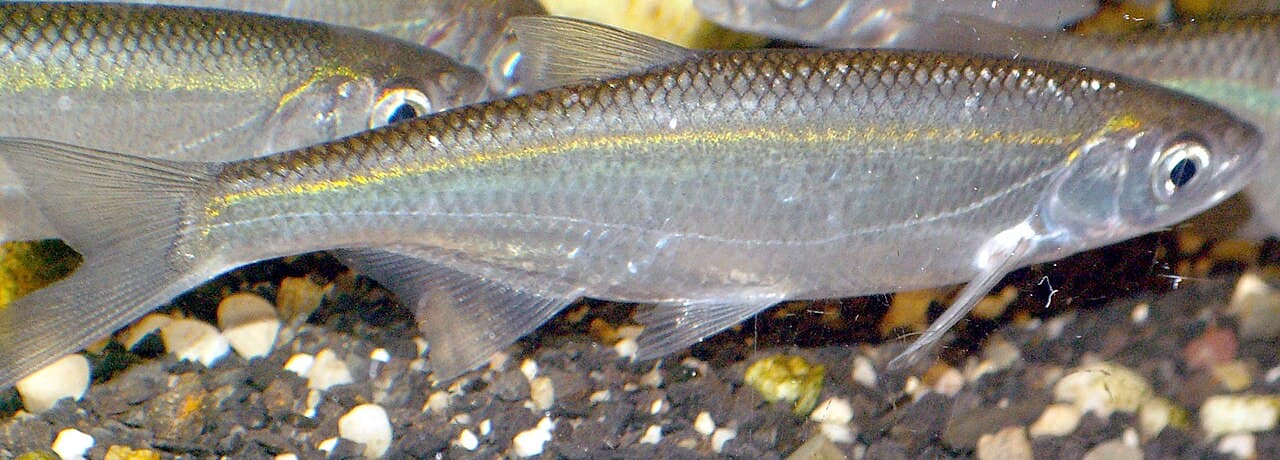
Alburnus alburnus
Bleak is a small schooling fish near the surface. It is not a trophy target, but it helps beginners learn bites and light tackle.
spring-autumn
8 spots
edible when handled correctly
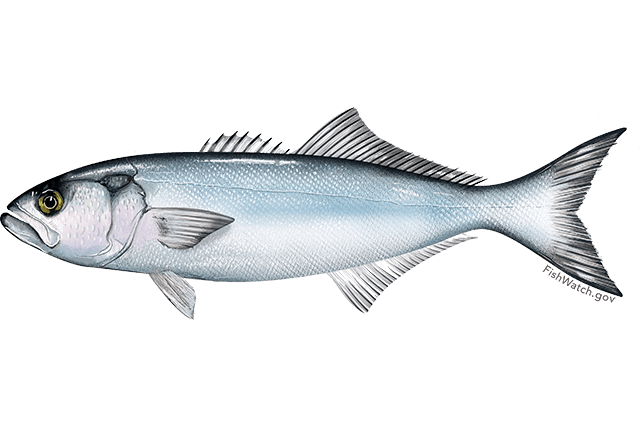
Pomatomus saltatrix
Bluefish is a fast toothy predator. It is exciting on spinning tackle but needs careful unhooking.
summer-autumn
2 spots
edible when handled correctly
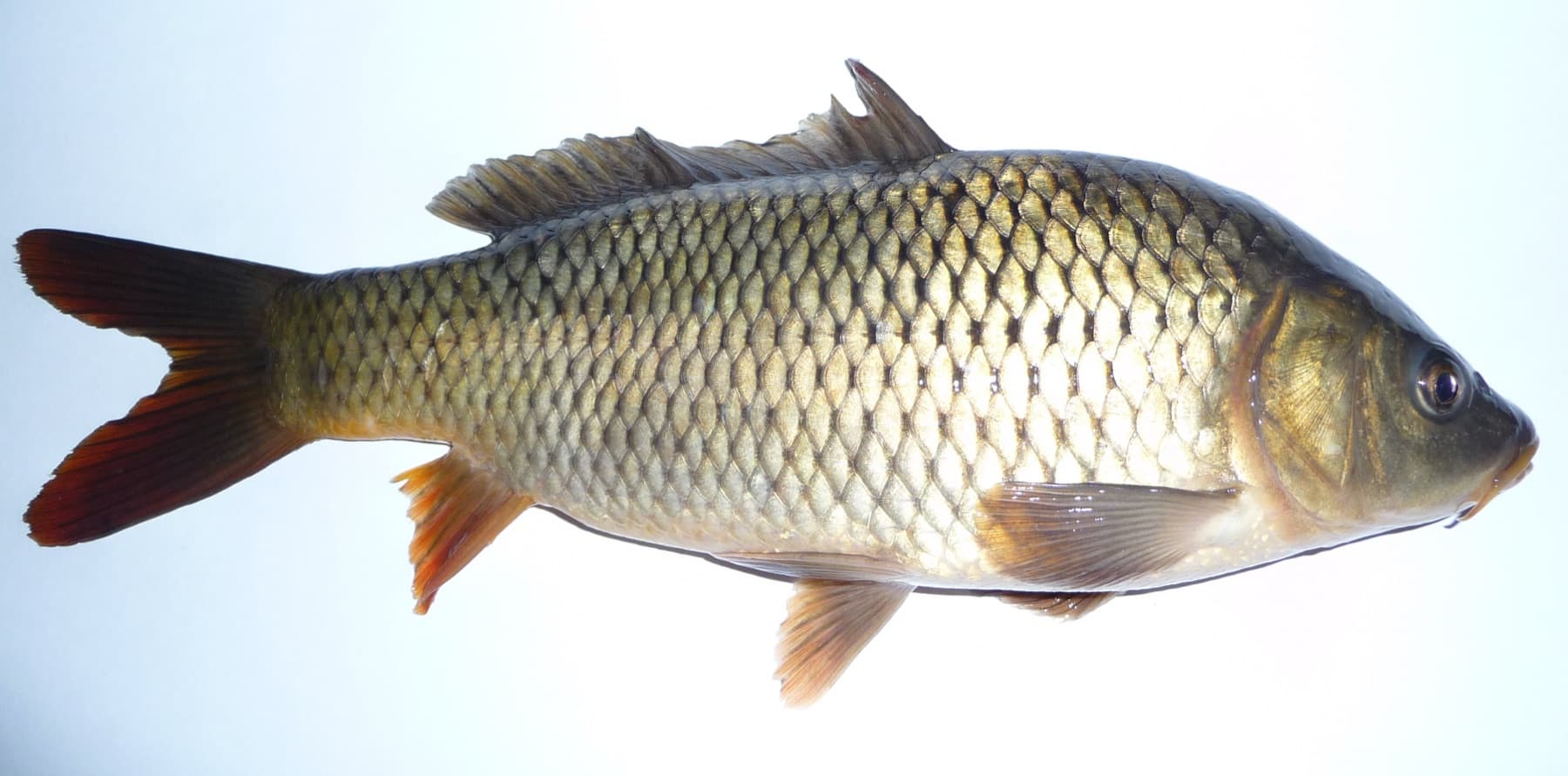
Cyprinus carpio
Carp is a strong peaceful fish for bottom fishing. It is beginner-friendly because the rig is simple and bites are usually clear.
all year, best spring/autumn
22 spots
edible when handled correctly
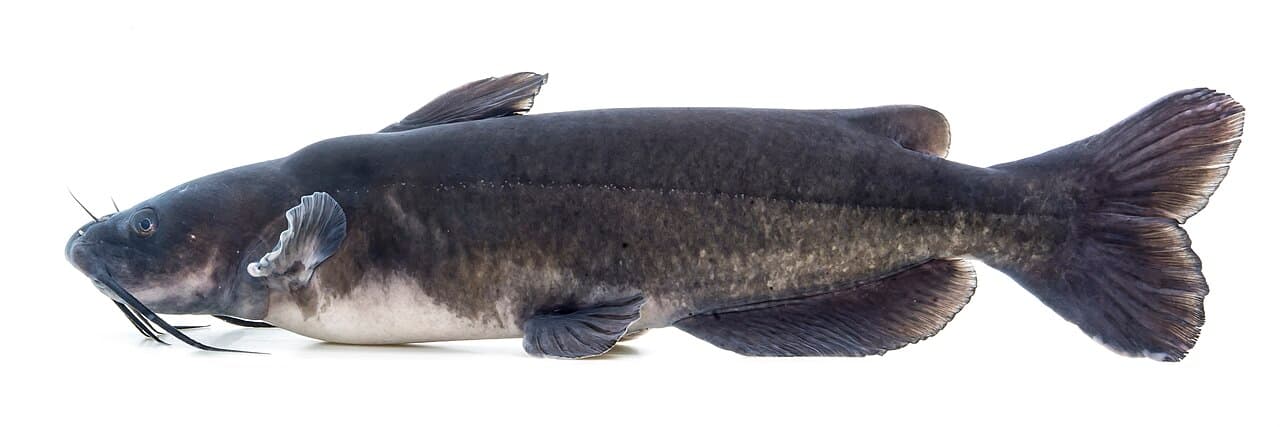
Ictalurus punctatus
Channel catfish needs patience, a bottom spot, and reliable tackle. It is usually not a quick random-bite target.
May-October
12 spots
edible when handled correctly

Conger conger
Conger eel is often accidental on bottom rigs around rocks. It is strong, but not a typical casual target.
all year
1 spots
edible when handled correctly
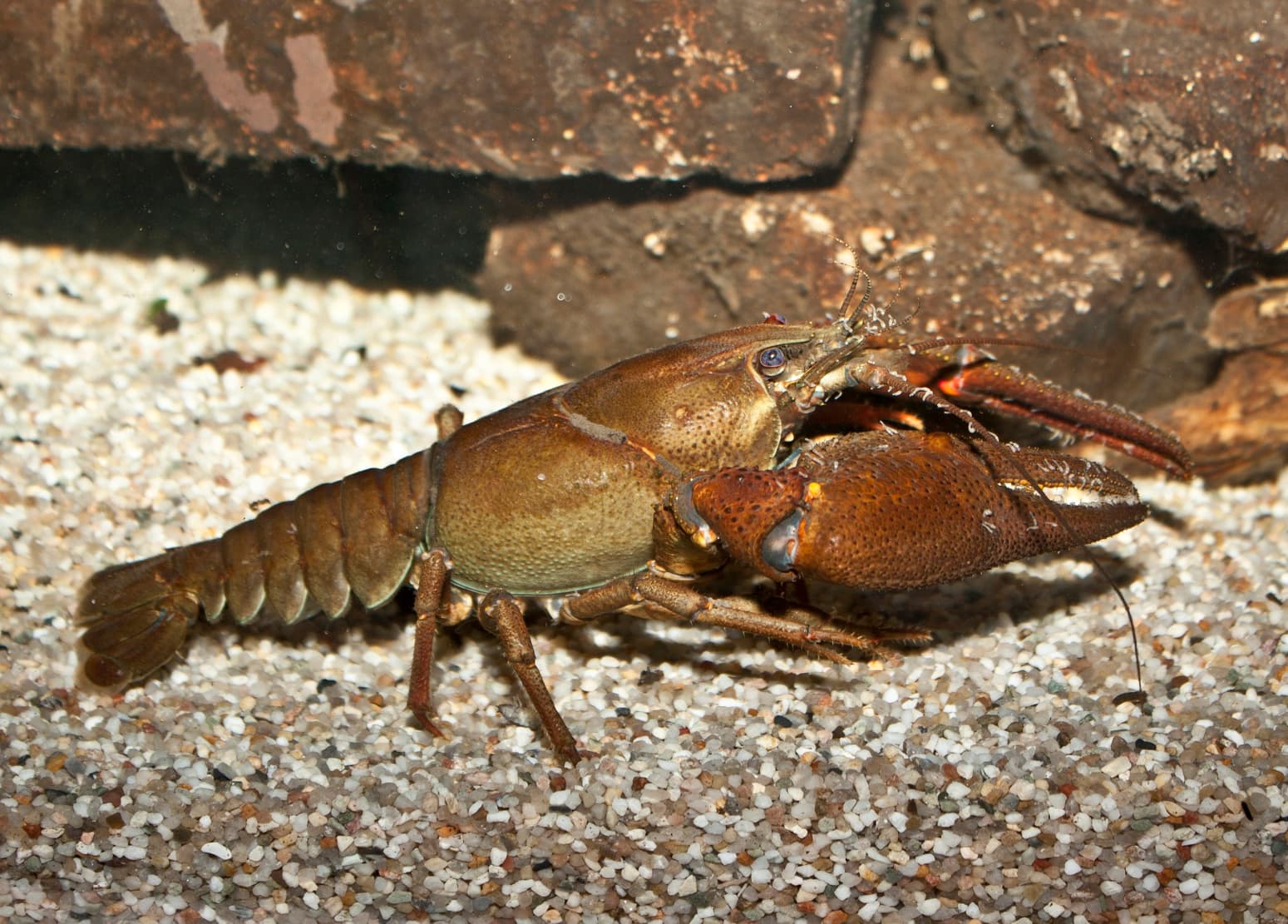
Decapoda spp.
Crayfish appear in official lists for some reservoirs, but they are not a main recreational angling target here. Treat them as ecosystem context and do not keep them without checking rules.
all year
7 spots
do not eat
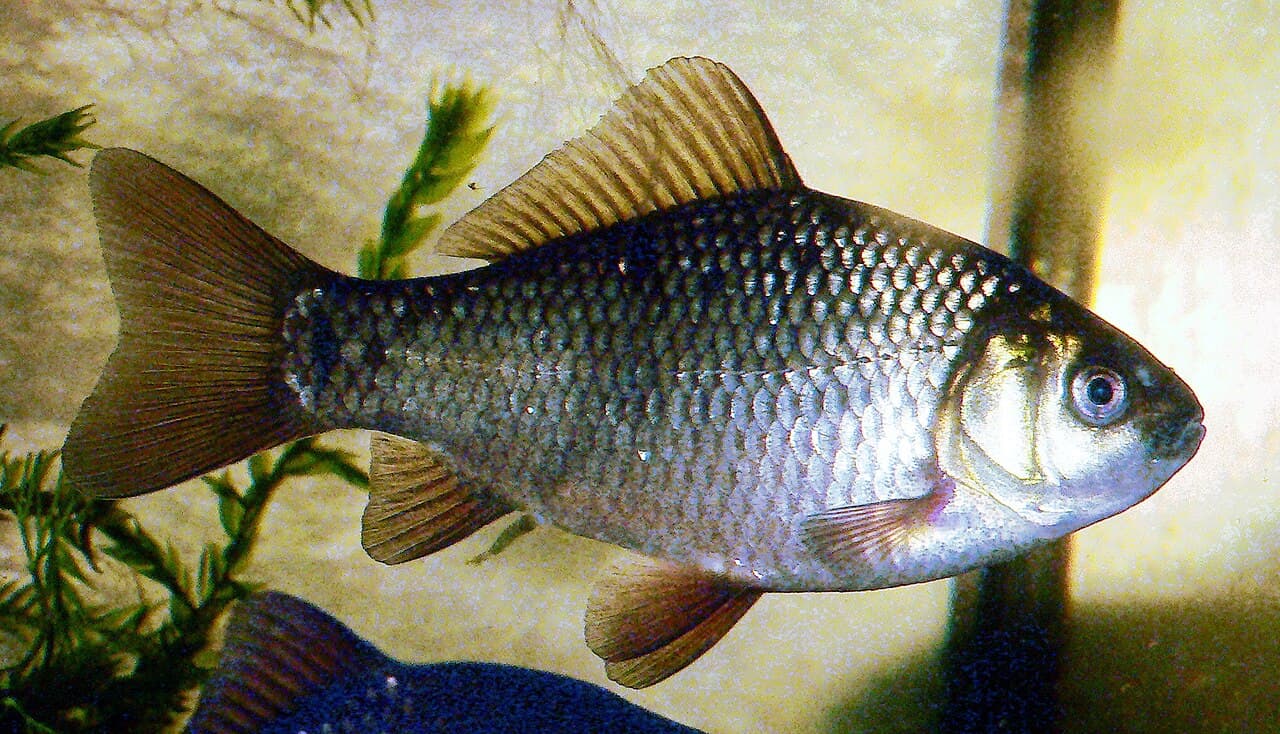
Carassius carassius
Crucian carp is a hardy peaceful fish for float fishing and light feeder work. It is a good target for a calm bank session.
April-October
0 spots
edible when handled correctly

Sparus aurata
Dorado is often searched around rocks, weed, sandy gaps, and harbour edges. It is a strong sea target for careful bottom or feeder fishing.
summer-autumn
3 spots
edible when handled correctly

Platichthys flesus
Flounder is a bottom fish found on sand and mixed ground. The difficulty is mostly choosing the right place and time.
winter-spring
1 spots
edible when handled correctly
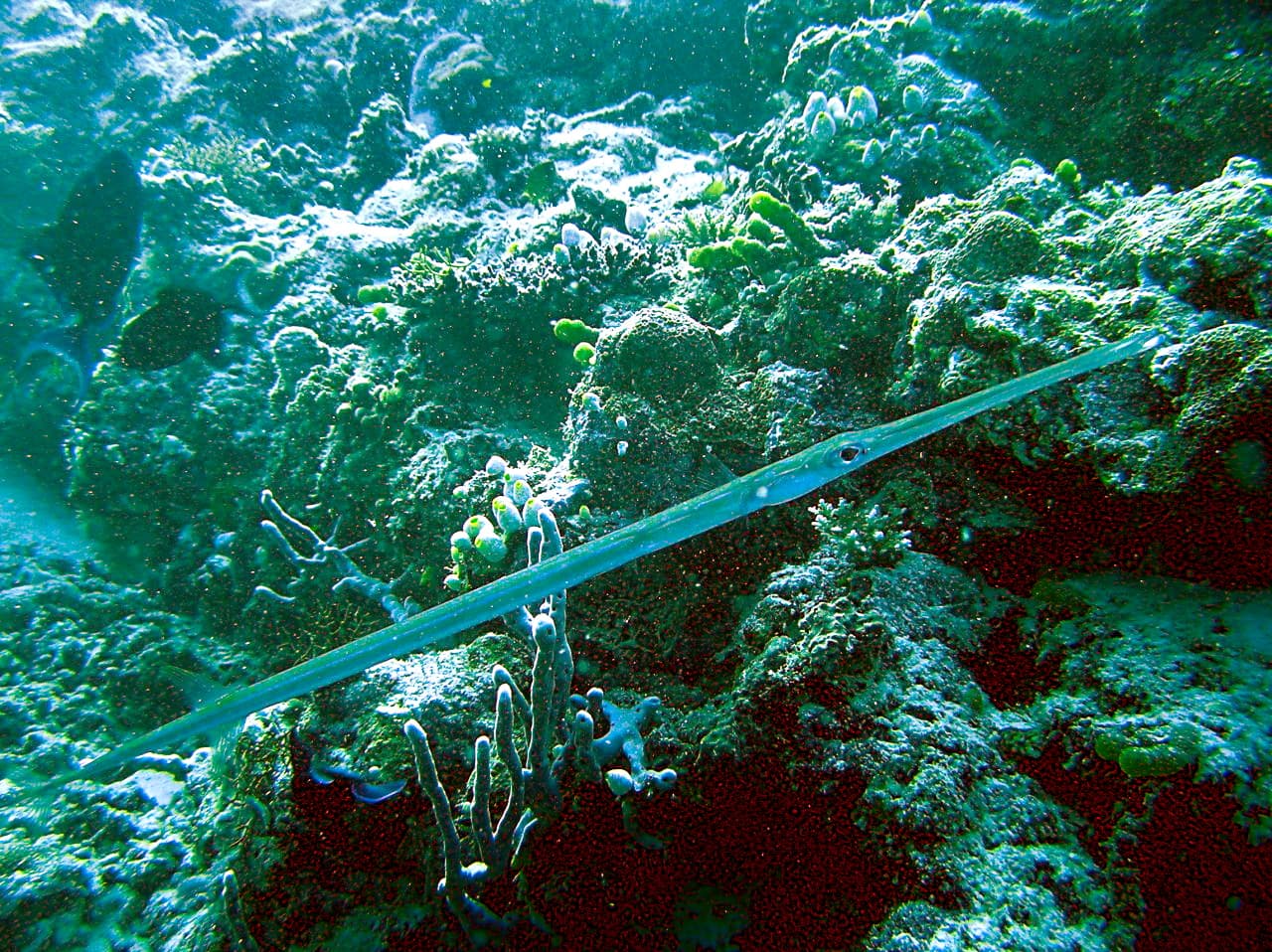
Fistularia commersonii
Flute fish, or cornetfish, is a long thin coastal predator that often attacks small lures near shore.
summer-autumn
1 spots
edible when handled correctly

Belone belone
Garfish is a long, fast surface fish. It is fun on light lures or float rigs.
spring-autumn
3 spots
edible when handled correctly
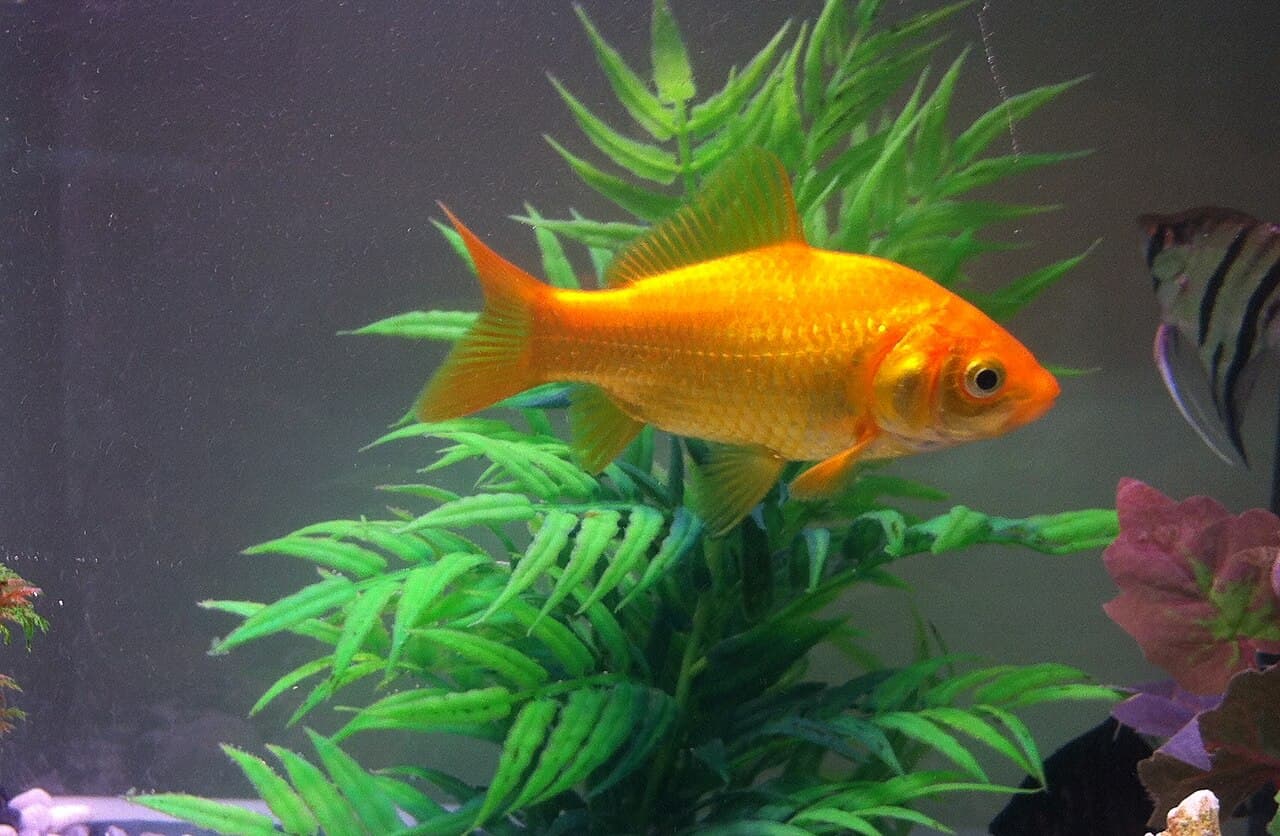
Carassius auratus
Goldfish can appear as a peaceful float or bottom-fishing species. Treat it as careful light coarse fishing.
spring-autumn
2 spots
edible when handled correctly
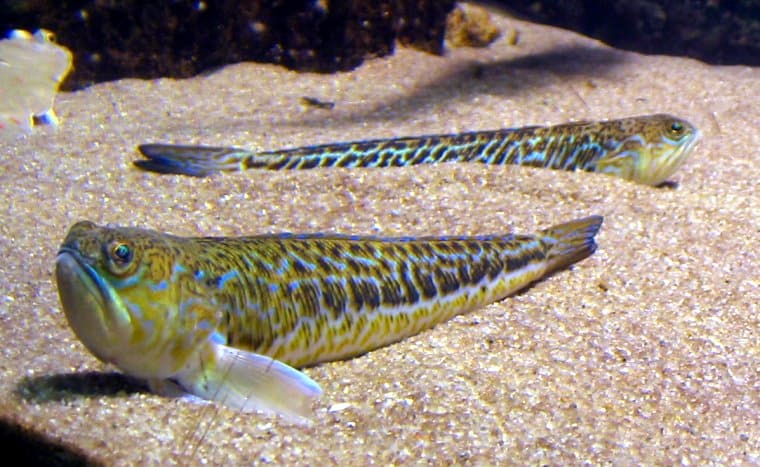
Trachinus draco
Greater weever is an important danger species for shore anglers. It has venomous spines and can bury in sand.
summer
1 spots
edible when handled correctly

Epinephelus marginatus
Grouper holds around rocks and cover. It is hard because of structure, snags, and fewer clear feeding windows.
spring-autumn
1 spots
edible when handled correctly
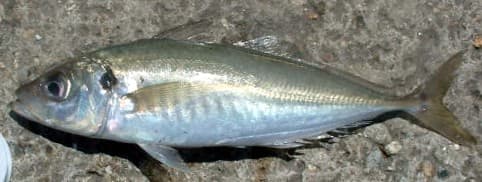
Trachurus trachurus
Horse mackerel often moves in schools and follows baitfish. It is a good target for active light sea fishing.
summer-autumn
2 spots
edible when handled correctly
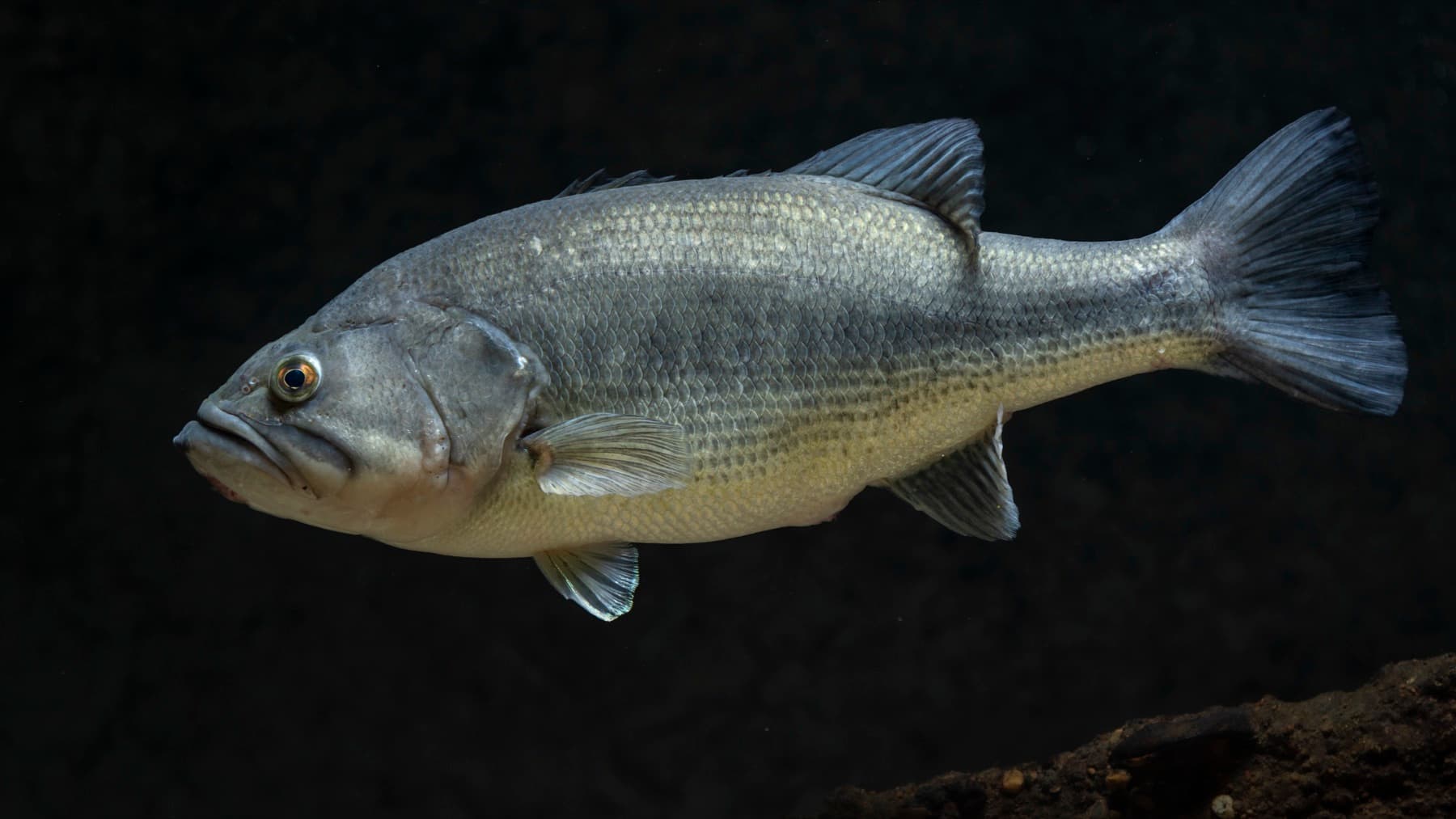
Micropterus salmoides
A key reservoir predator for Cyprus spinning anglers. Bass loves cover, weed edges, rocks, and sharp depth changes.
March-June, September-November
17 spots
edible when handled correctly
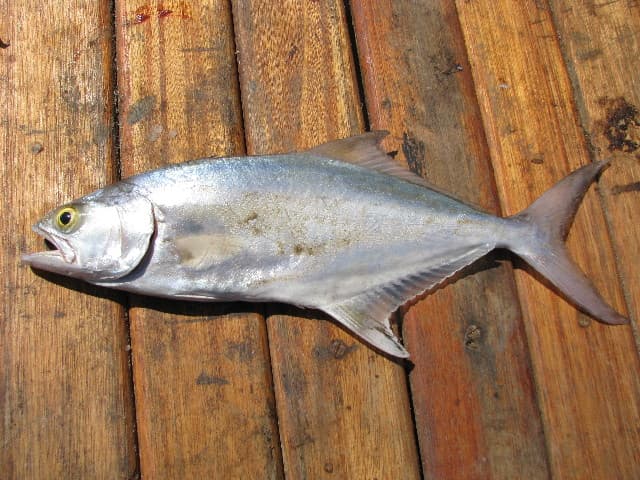
Lichia amia
Leerfish is a powerful sea predator usually searched with active spinning. The main challenge is finding feeding windows.
summer-autumn
1 spots
edible when handled correctly
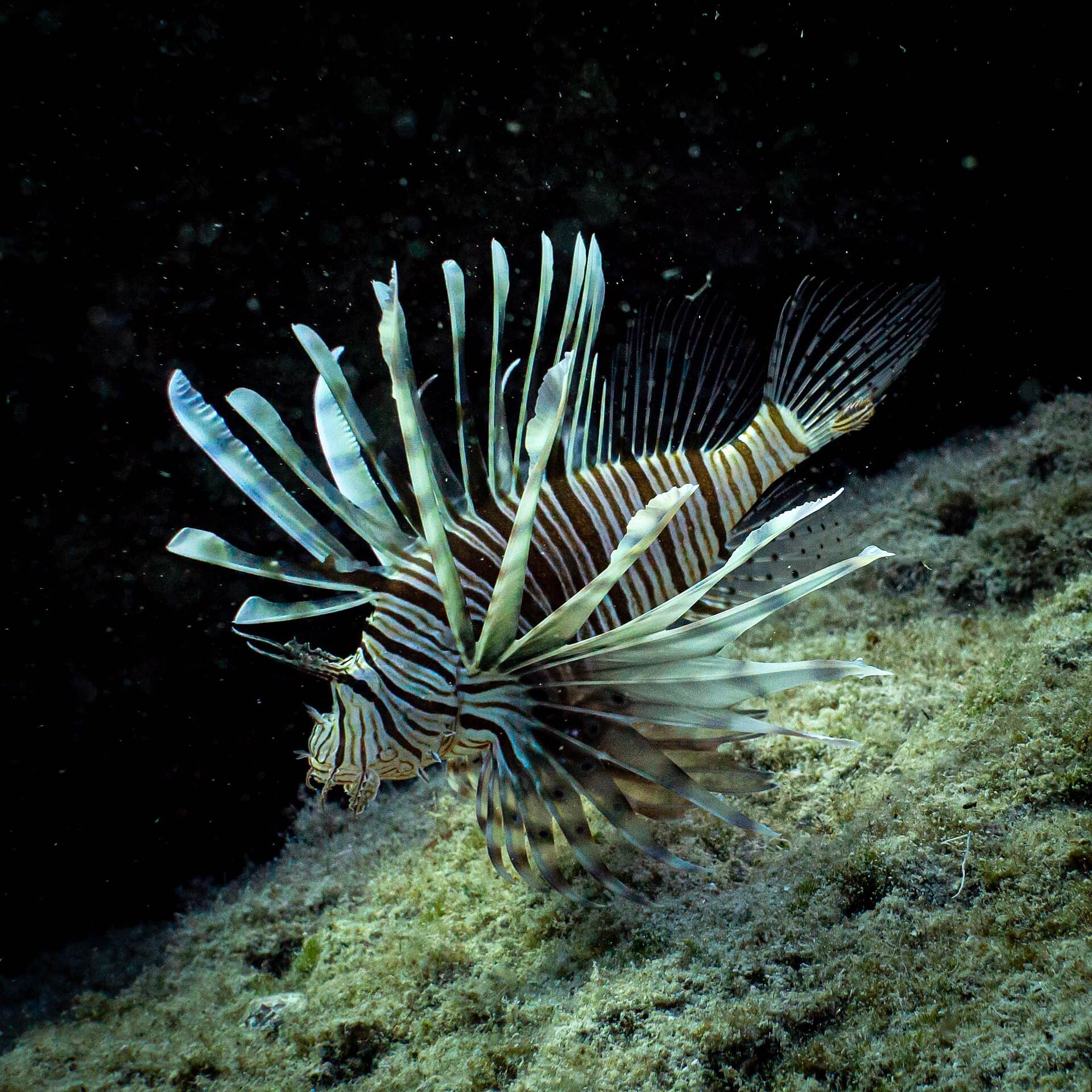
Pterois miles
Lionfish is an invasive marine fish with venomous spines. The flesh is edible, but only after safe handling.
all year
1 spots
edible when handled correctly
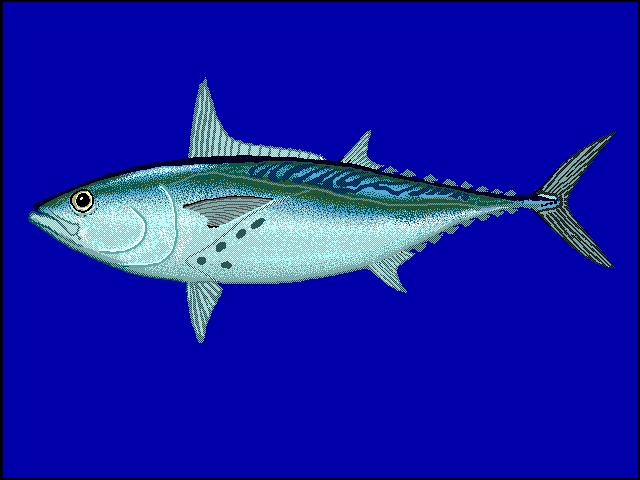
Euthynnus alletteratus
Little tunny is a fast pelagic fish. The challenge is finding activity and reacting to short feeding windows.
summer-autumn
1 spots
edible when handled correctly

Scomber scombrus
Mackerel is an active schooling fish. Success is more about finding movement, current, and baitfish than heavy tackle.
summer-autumn
1 spots
edible when handled correctly

Coryphaena hippurus
Mahi-mahi is mostly connected with boat fishing and trolling. It is exciting, but not a basic shore target.
summer-autumn
1 spots
edible when handled correctly

Muraena helena
Moray eel is usually not a beginner target. It can be accidental bycatch around rocks, for example while fishing for grouper, so be prepared.
all year
1 spots
edible when handled correctly
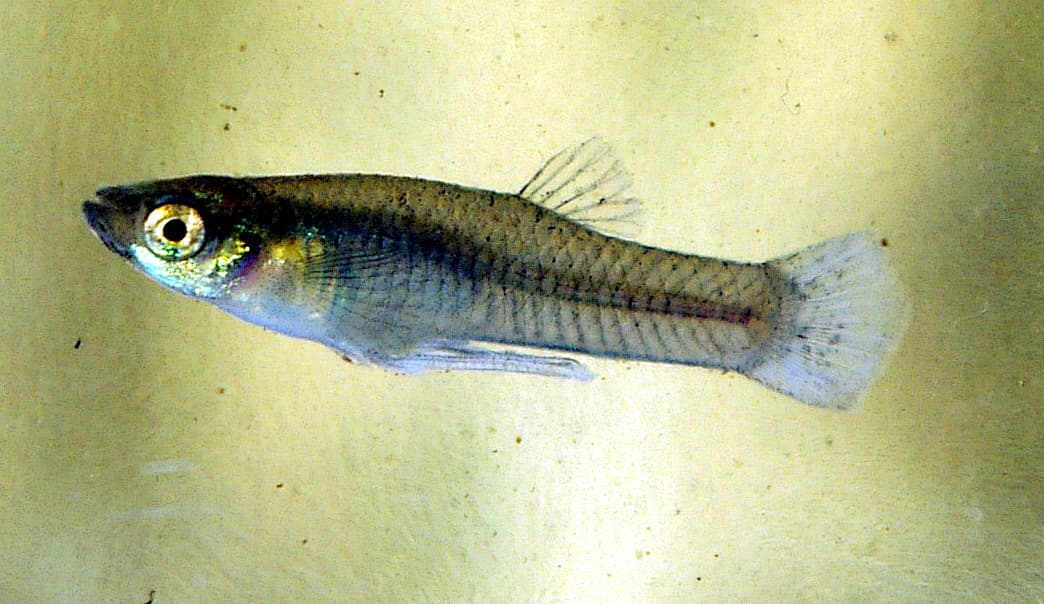
Gambusia affinis
Mosquitofish occurs in some reservoirs, but it is usually not an angling target and is not a danger species.
all year
22 spots
do not eat
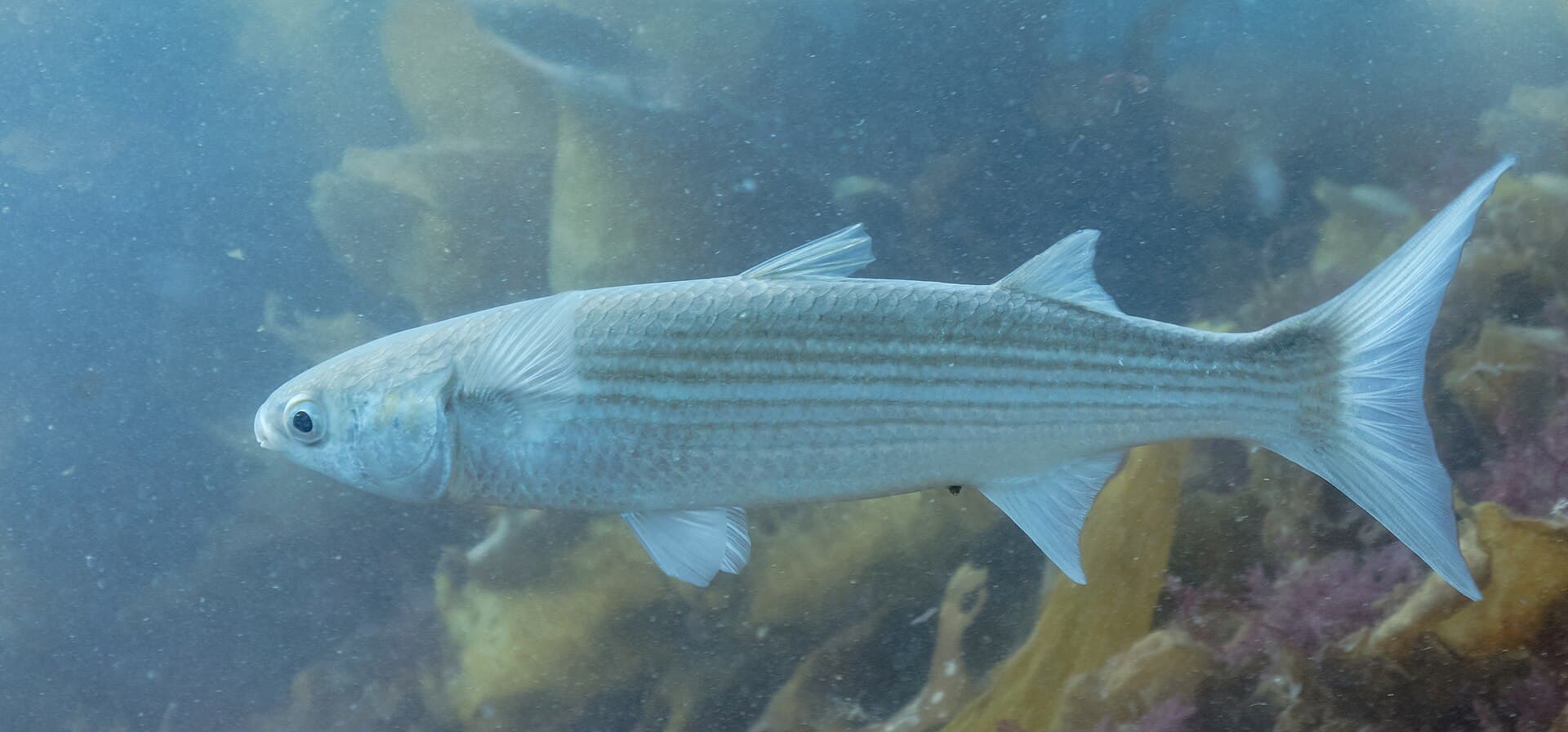
Mugil cephalus
Mullet is often visible near the surface in harbours, lagoons, and calm shores. It requires delicate tackle.
all year
3 spots
edible when handled correctly
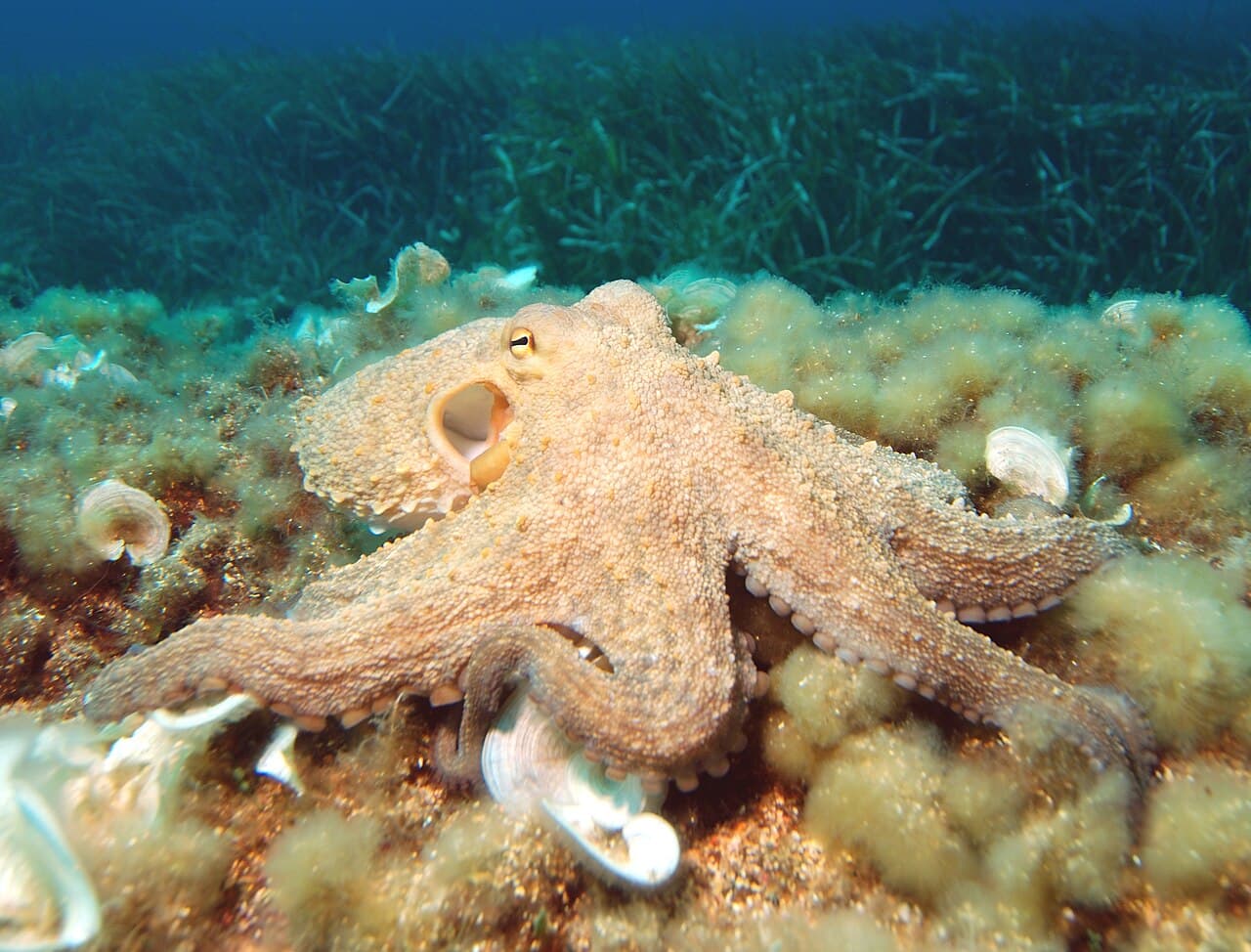
Octopus vulgaris
Octopus can appear around rocks and harbour areas, but rules and methods should be checked separately.
all year
1 spots
edible when handled correctly
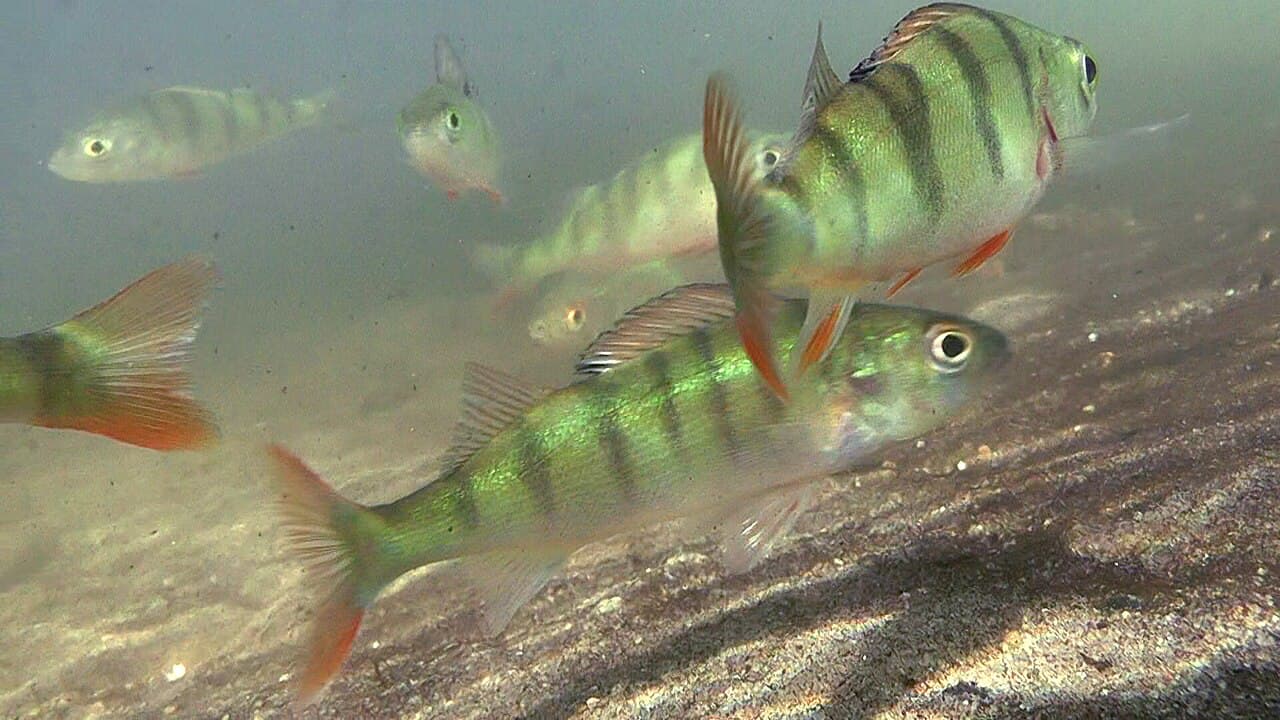
Perca fluviatilis
Perch is local and not present in every Cyprus reservoir. It is hard because finding it is the challenge, not because it is dangerous.
spring-autumn
1 spots
edible when handled correctly
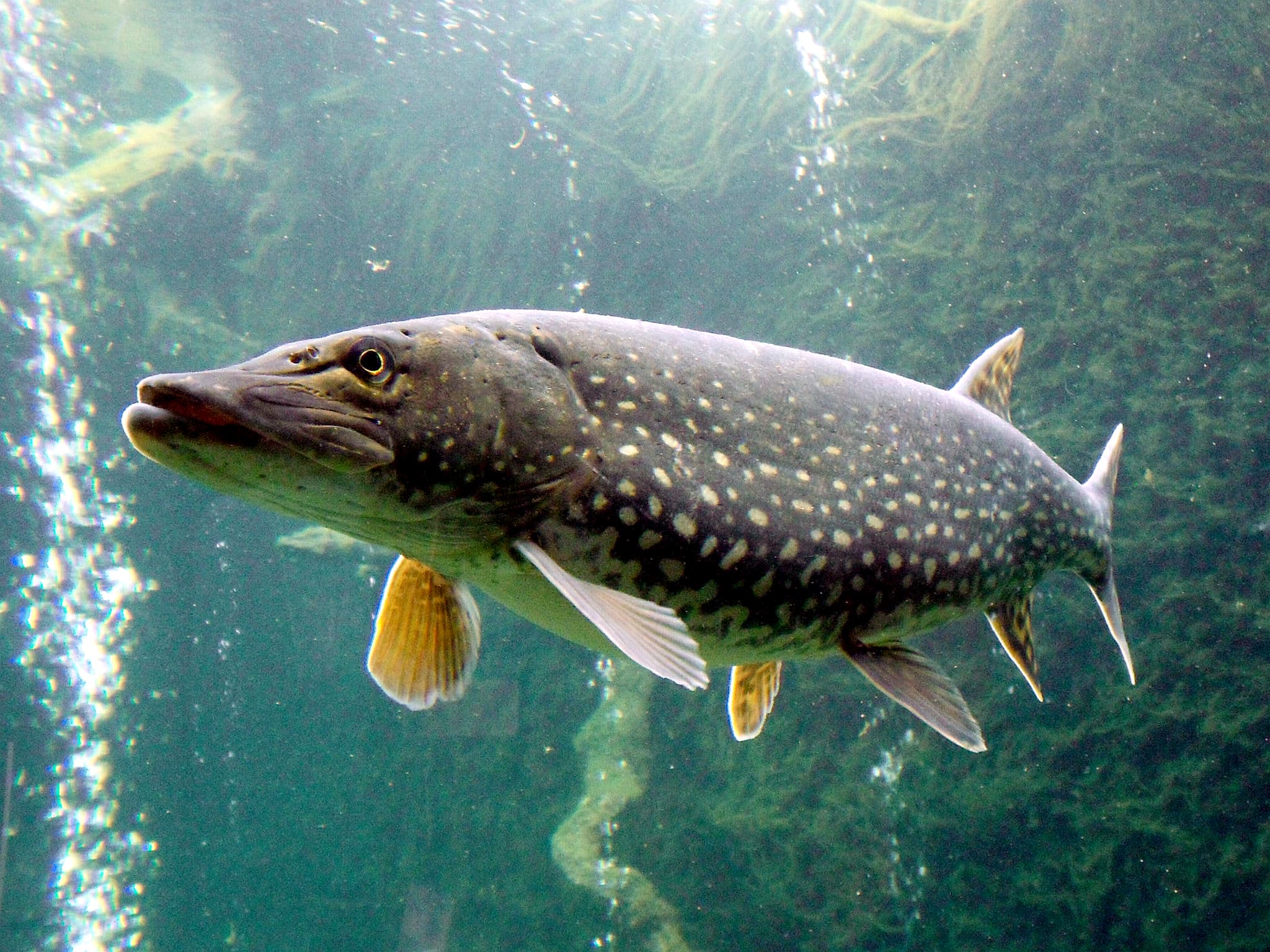
Esox lucius
Pike is listed by DFMR 2026 for several reservoirs, but it remains a local and demanding predator. Catching it is more about finding activity windows than fish danger.
autumn-spring
3 spots
edible when handled correctly
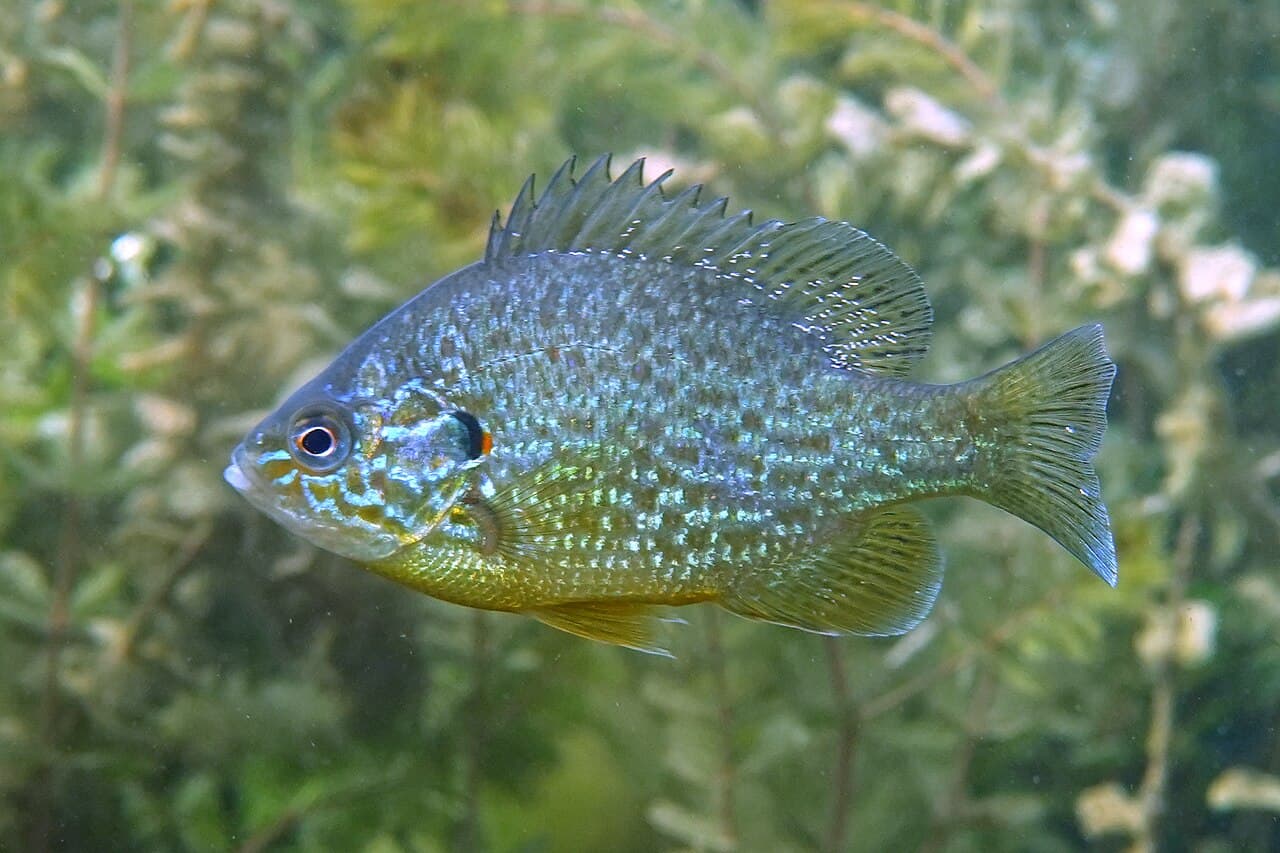
Lepomis gibbosus
Pumpkinseed is active in warm water and often sits around weed or rocks. It usually responds to simple light tackle.
May-September
14 spots
edible when handled correctly
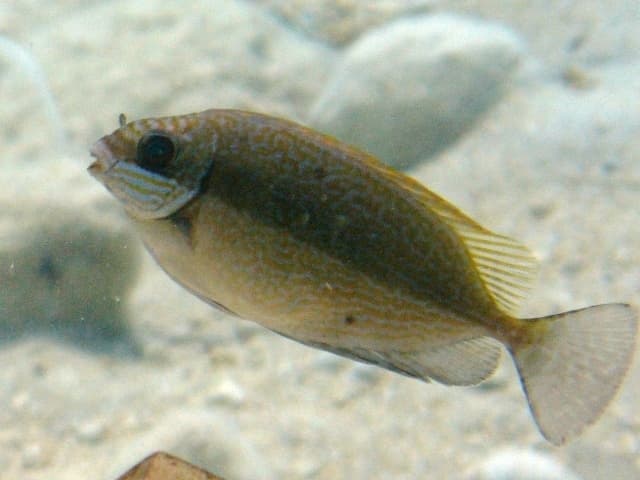
Siganus luridus
Rabbitfish/spinefoot is a herbivorous marine fish with venomous fin spines. It is common in the eastern Mediterranean.
summer
1 spots
edible when handled correctly
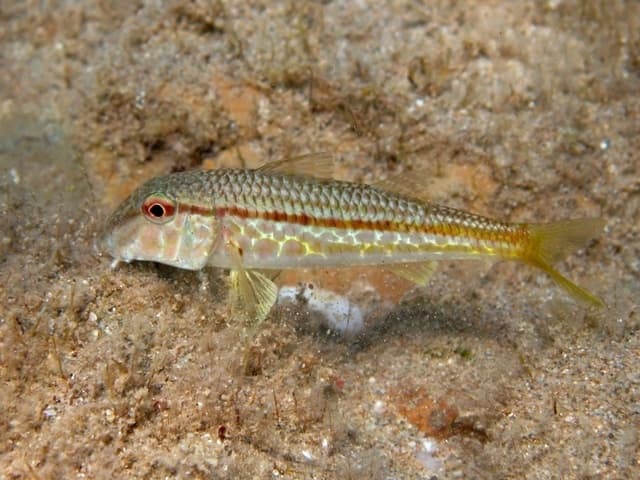
Mullus barbatus
Red mullet stays near the bottom over sand and mixed rock. It usually takes neat bottom rigs with natural bait.
summer-autumn
2 spots
edible when handled correctly

Pagrus pagrus
Red porgy is more connected with boat and bottom fishing. For beginners it is more a future target than a first shore species.
spring-autumn
0 spots
edible when handled correctly
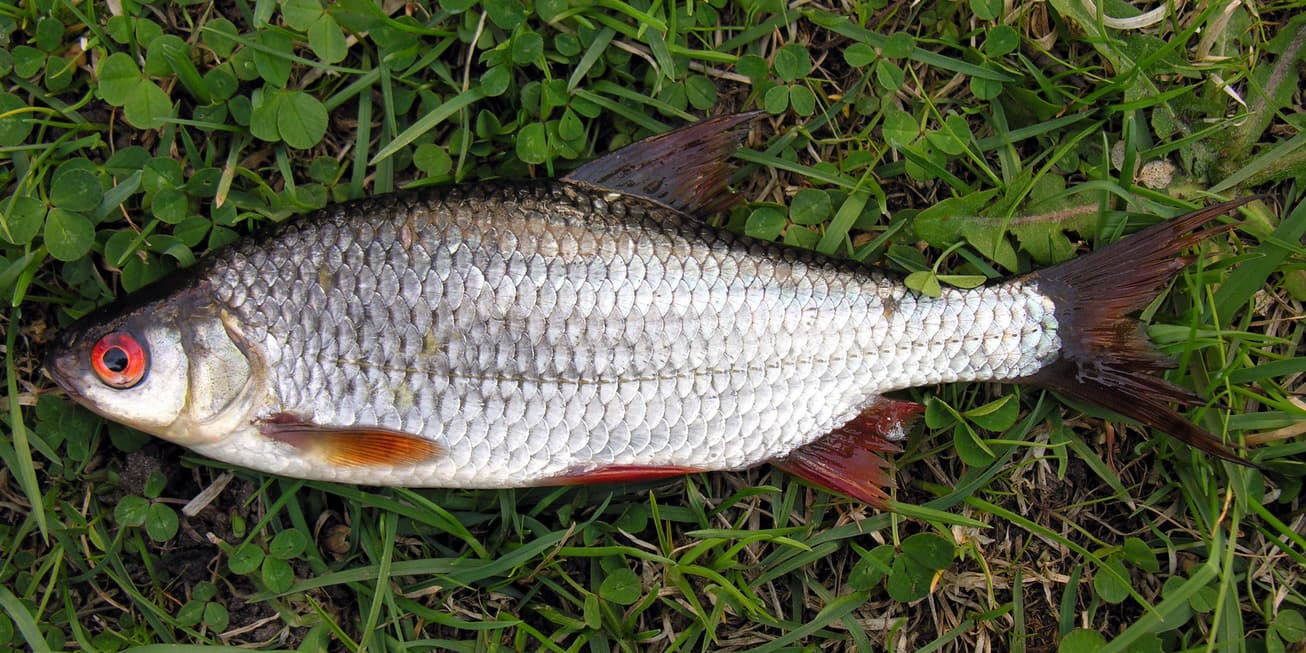
Rutilus rutilus
Roach is a small schooling fish for light float tackle and feeder fishing. It is excellent for accuracy practice.
all year
20 spots
edible when handled correctly
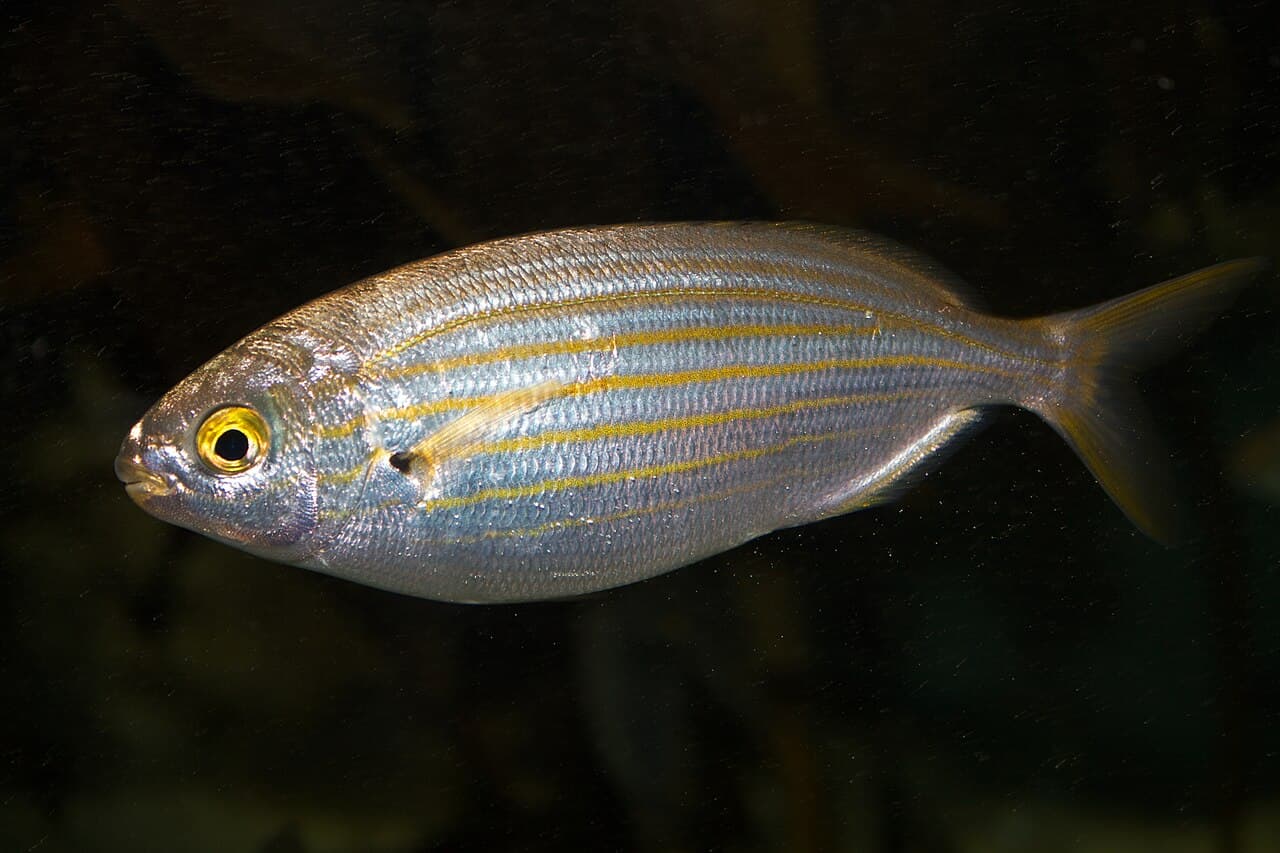
Sarpa salpa
Salema porgy stays around rocks and weed and often grazes on vegetation. It suits light shore fishing without over-heavy tackle.
spring-autumn
2 spots
edible when handled correctly
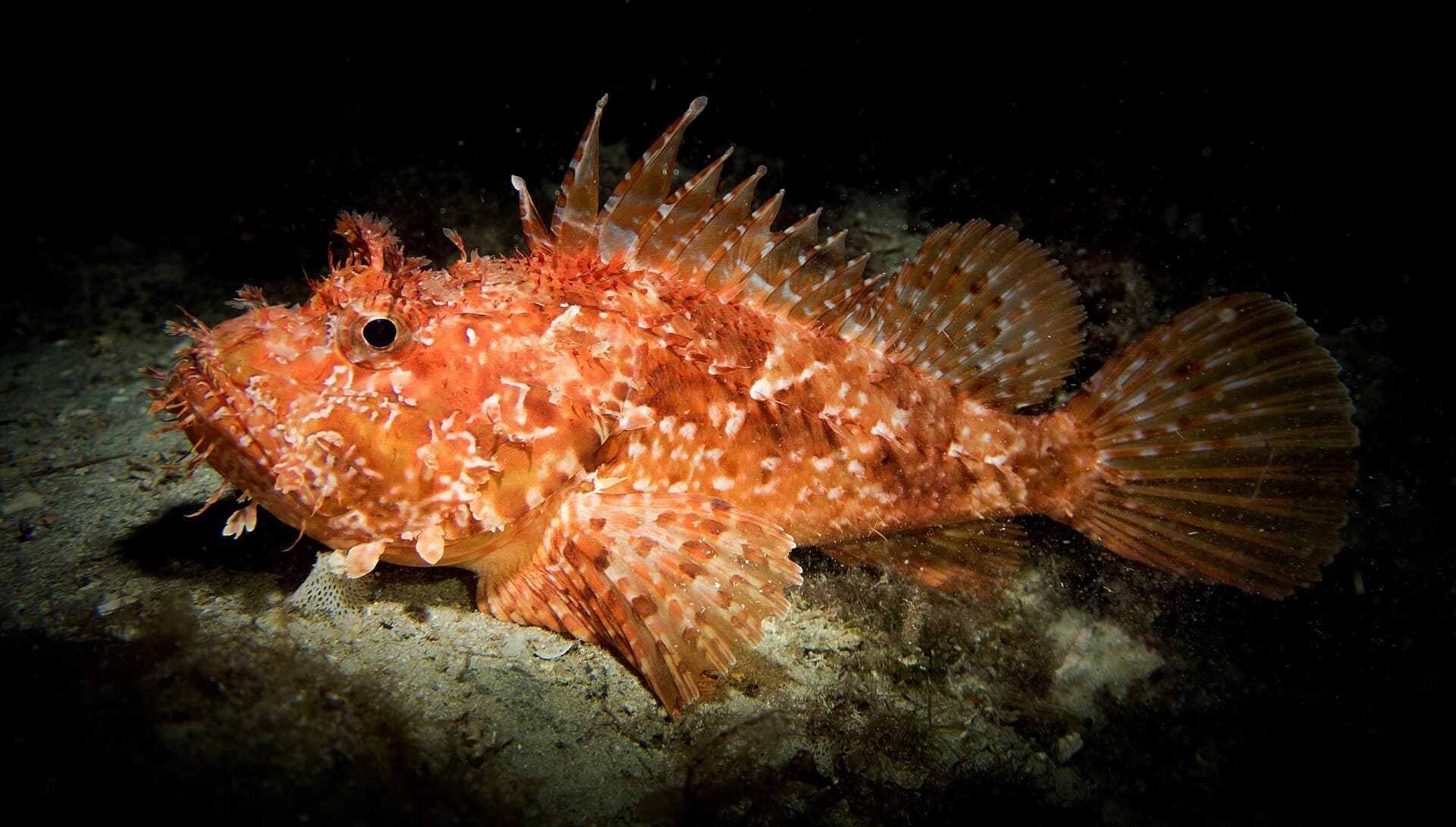
Scorpaena scrofa
Scorpionfish is a camouflaged bottom fish with venomous spines. It often sits among rocks and looks like part of the bottom.
all year
1 spots
edible when handled correctly
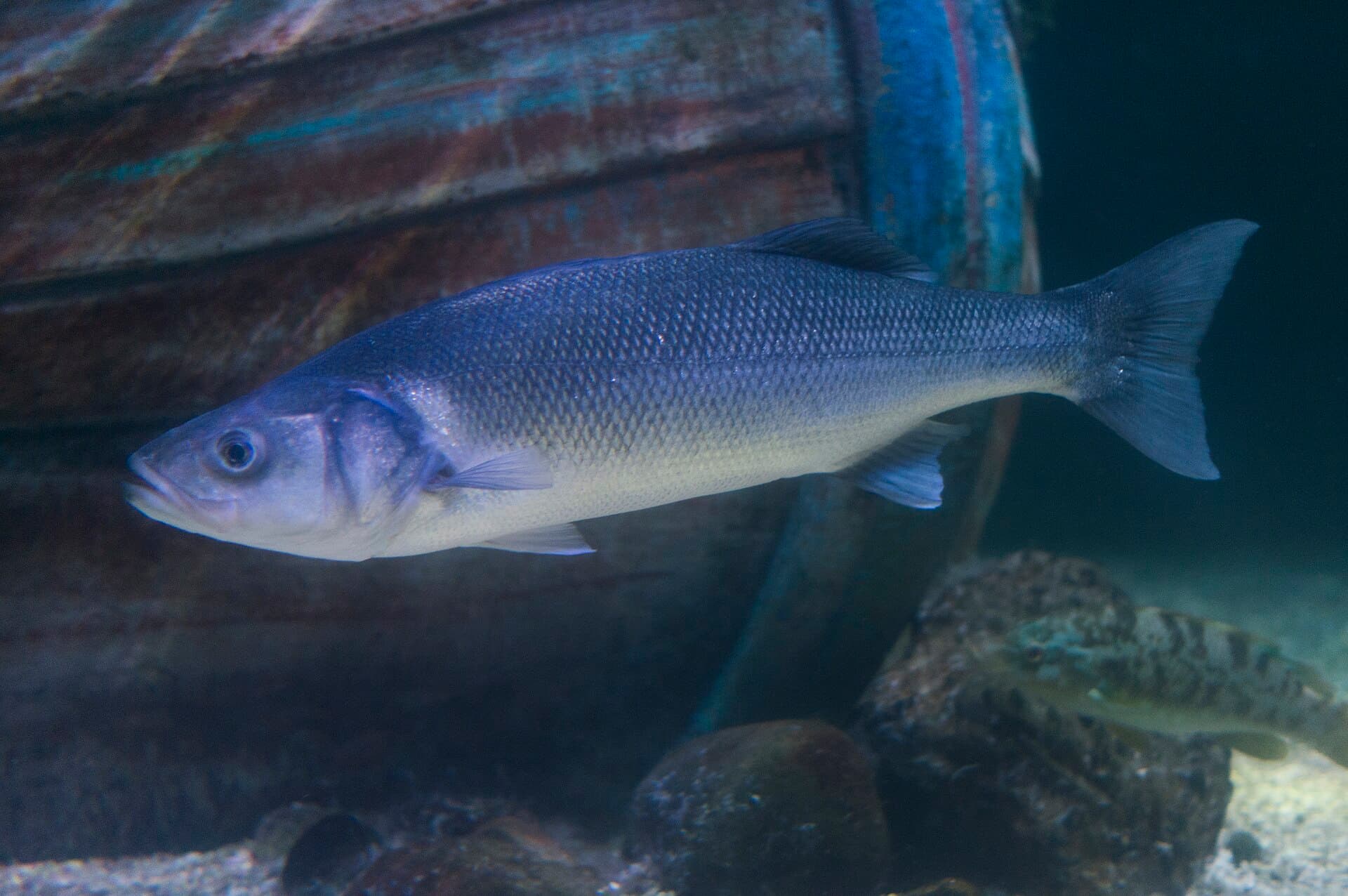
Dicentrarchus labrax
Sea bass is a cautious coastal predator often found in surf, rocks, breakwaters, and harbour entrances.
autumn, winter
2 spots
edible when handled correctly
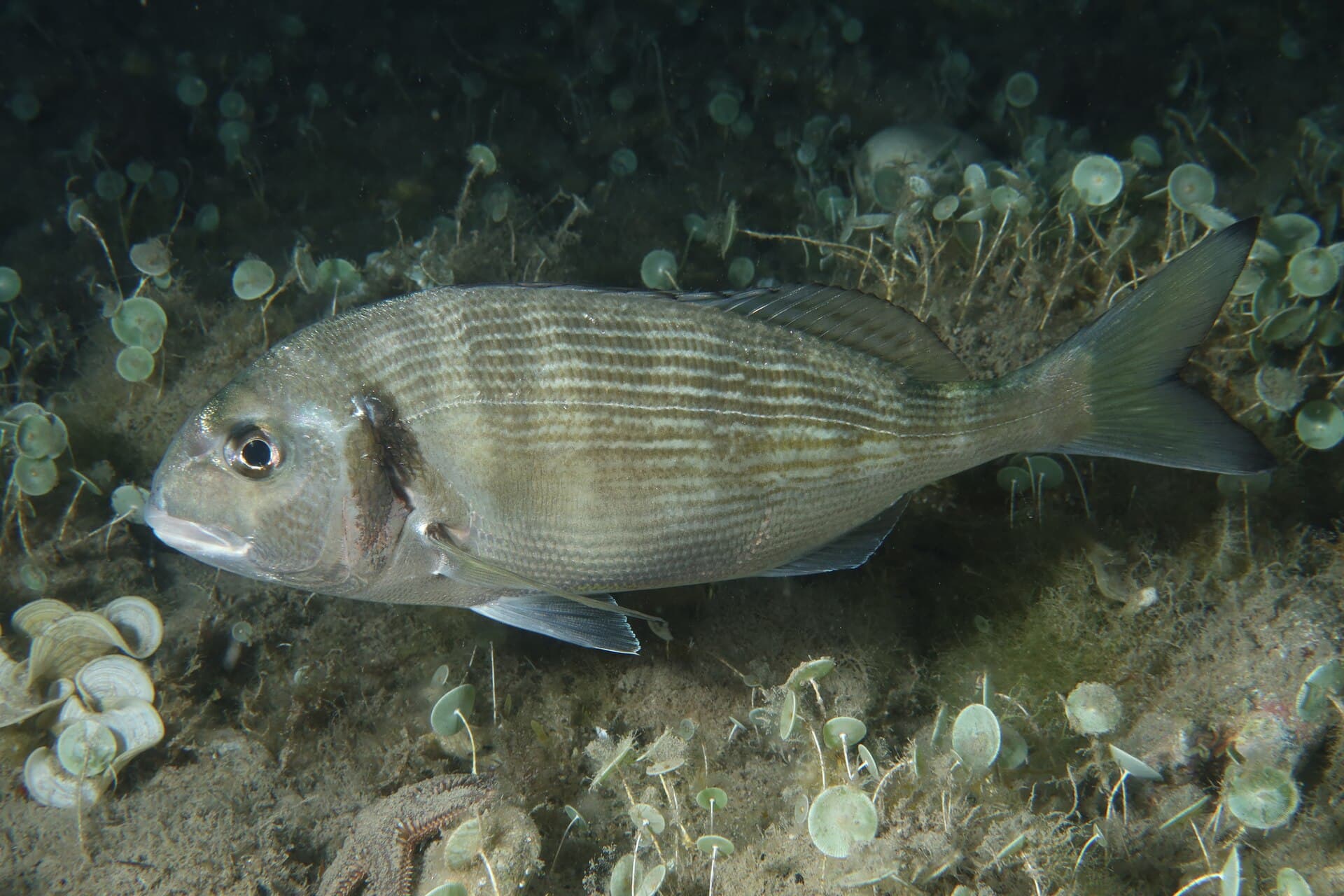
Sparus aurata
Gilt-head bream is a popular shore bottom-fishing target. It is strong, cautious, and highly valued as food.
summer
2 spots
edible when handled correctly
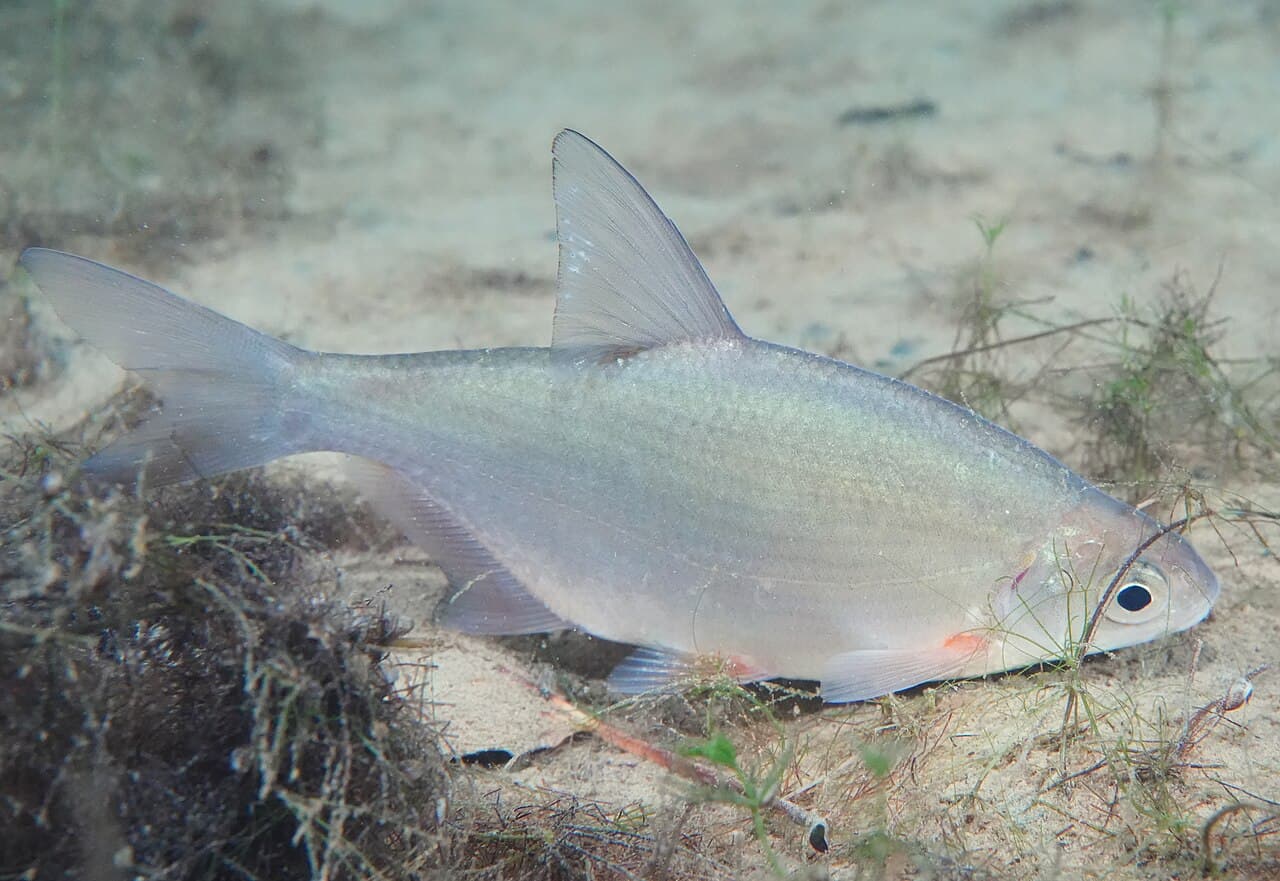
Blicca bjoerkna
Silver bream moves in groups and often feeds near the bottom. The challenge is choosing the spot, depth, and a clean bait presentation.
spring-autumn
3 spots
edible when handled correctly
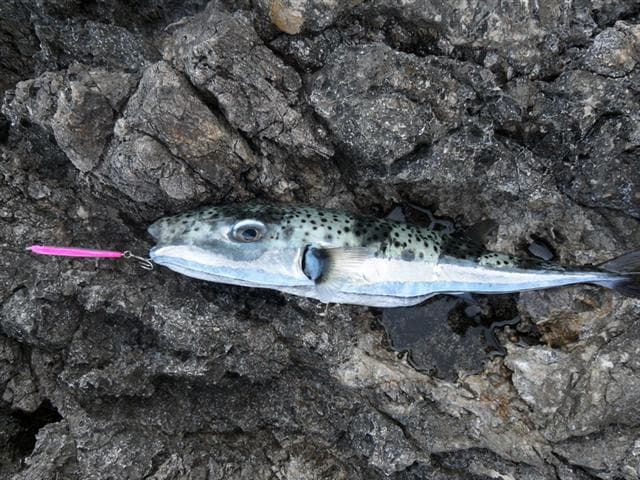
Lagocephalus sceleratus
Silver-cheeked toadfish is a dangerous invasive pufferfish. Do not eat it: tissues may contain a powerful toxin.
all year
1 spots
do not eat

Lutjanus spp.
Snapper needs a good spot, depth, and presentation. It is usually a boat or advanced bottom/jigging target.
summer-autumn
0 spots
edible when handled correctly
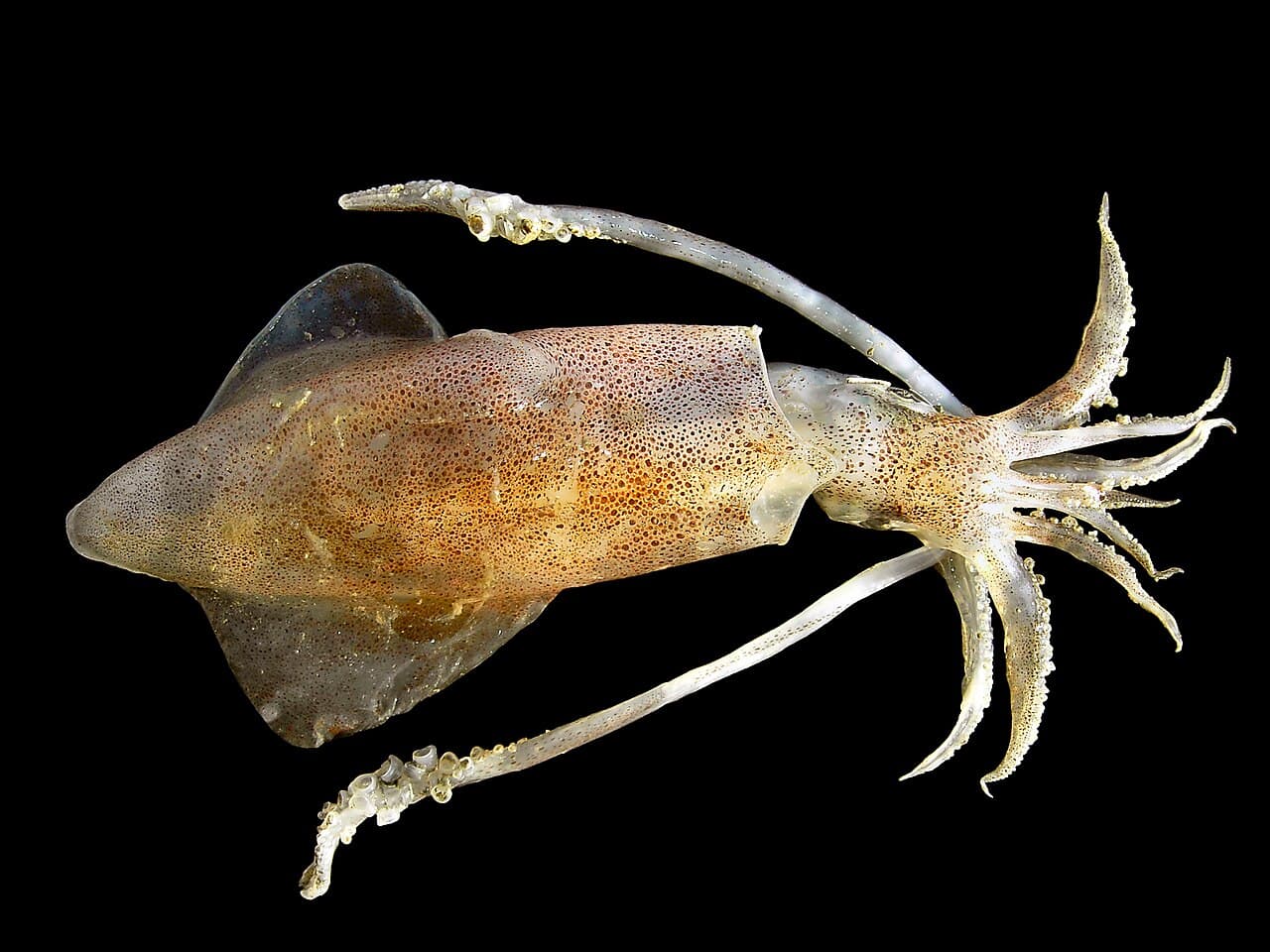
Loligo vulgaris
Squid uses a separate eging technique and often fishes better in low light. Light, depth, and smooth retrieves matter.
autumn-winter
1 spots
edible when handled correctly
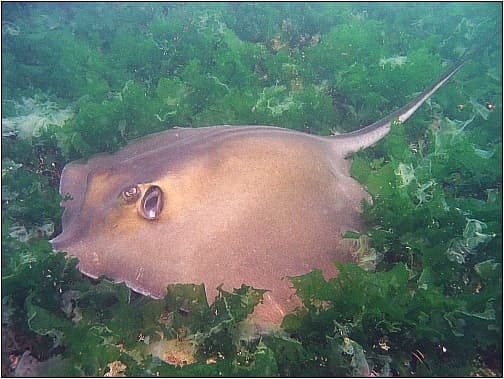
Dasyatis pastinaca
Stingray can be accidental bottom bycatch. The main risk is the tail spine, so it is a careful-release species, not a beginner target.
all year
1 spots
edible when handled correctly
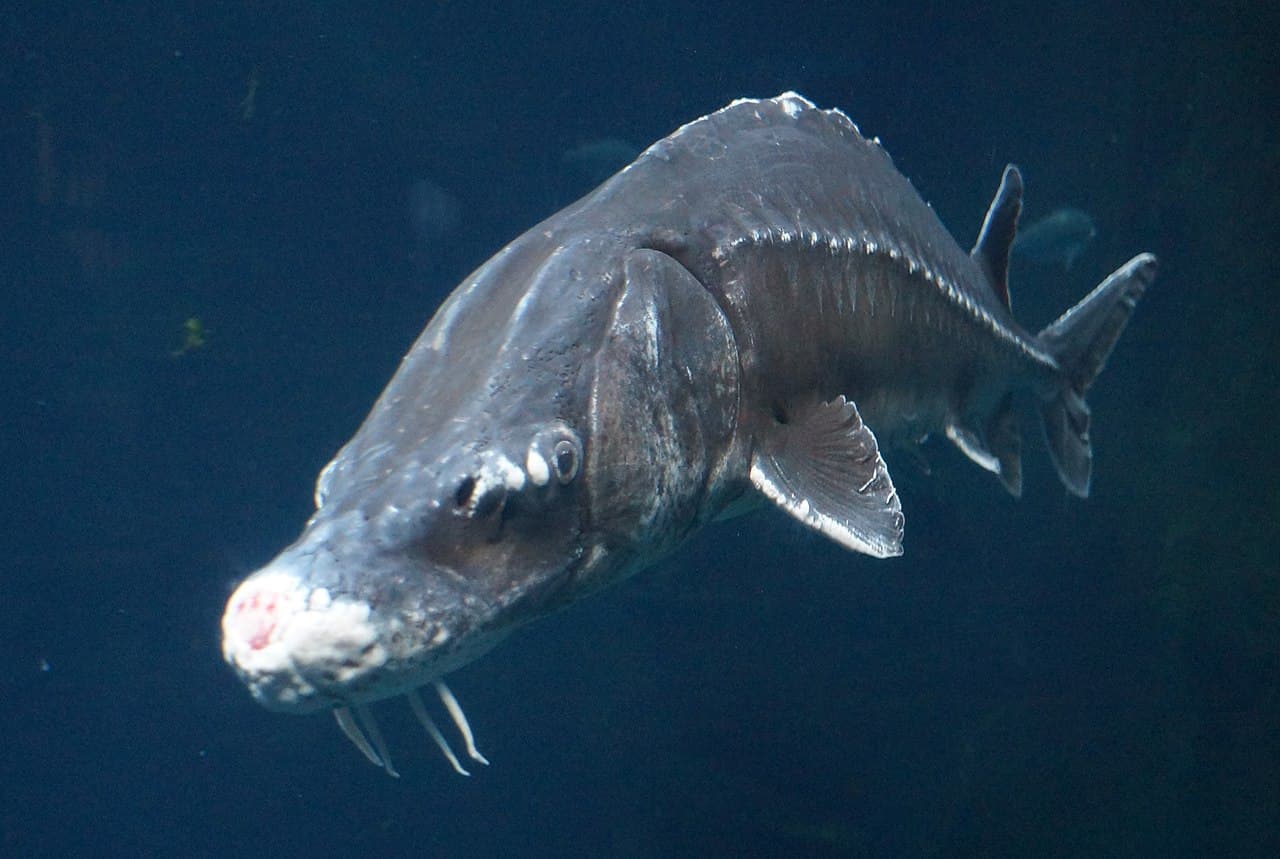
Acipenser spp.
Sturgeon is rare in Cyprus reservoirs, so the difficulty is mostly rarity and the need to check rules carefully.
all year, rare
1 spots
edible when handled correctly

Xiphias gladius
Swordfish is an offshore boat species with rules and preparation. It is a reference species, not a normal shore-session target.
summer
1 spots
edible when handled correctly
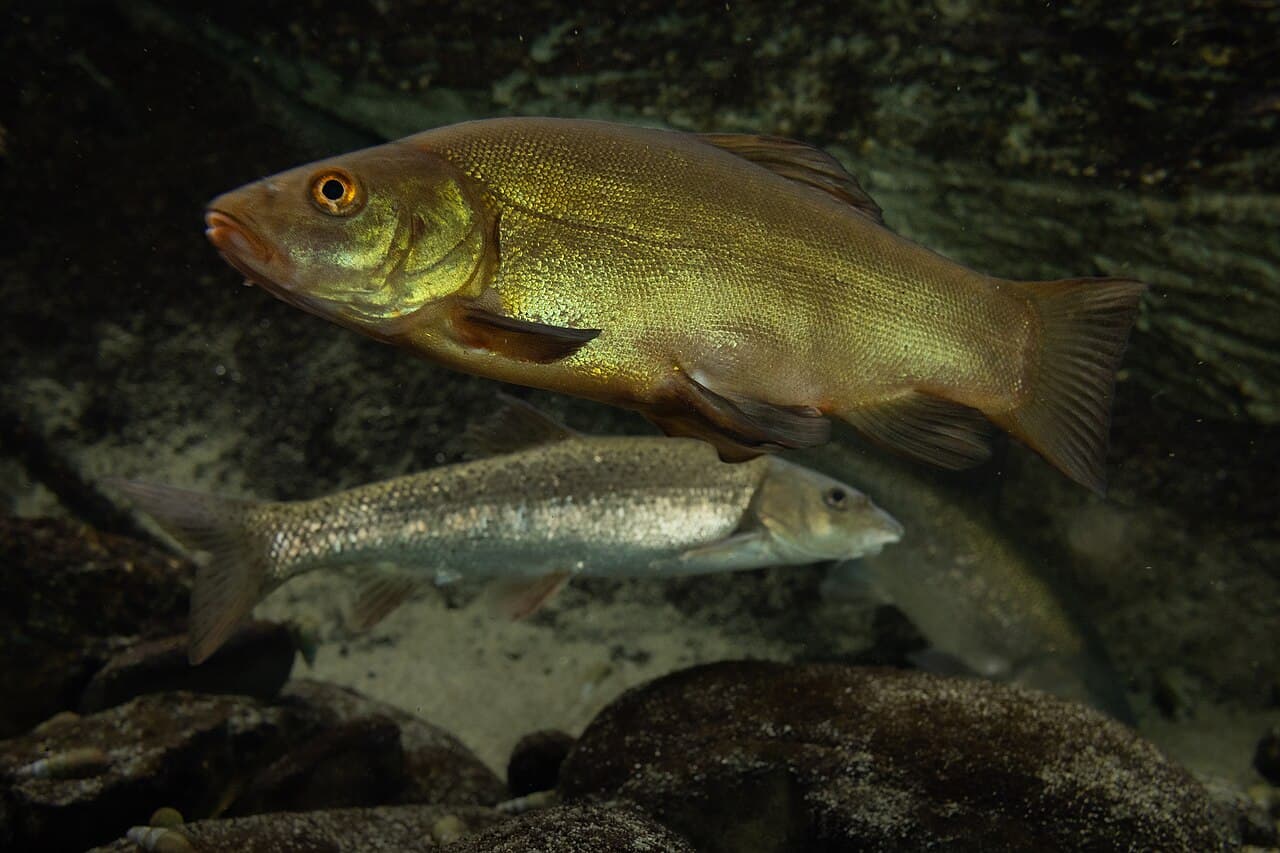
Tinca tinca
Tench likes warm water, quiet banks, and softer bottom. It rewards patience because noise and crude rigs often hurt results.
summer
0 spots
edible when handled correctly
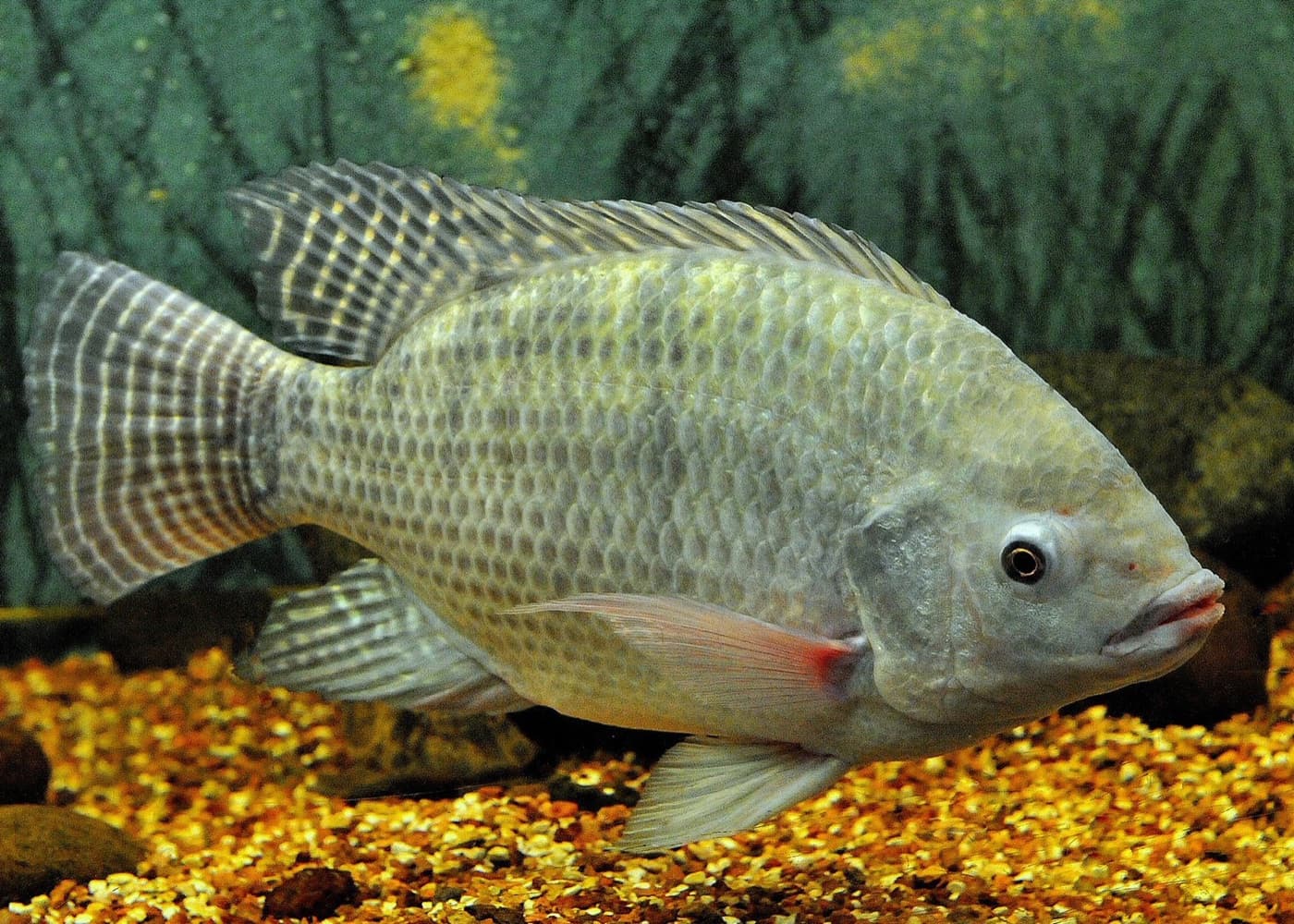
Oreochromis niloticus
Tilapia is active in warm water and works well for simple float fishing. It often moves in groups.
May-October
9 spots
edible when handled correctly
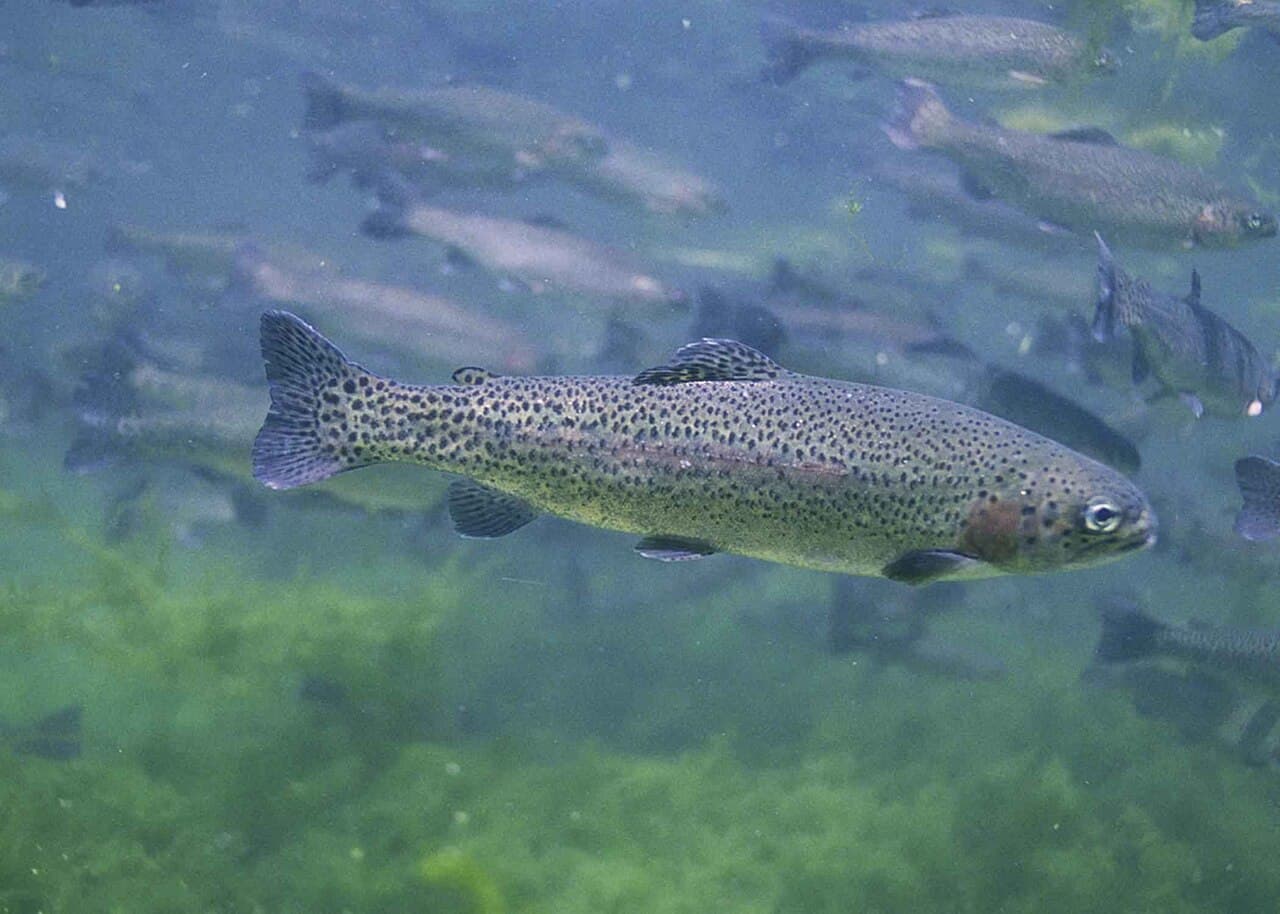
Oncorhynchus mykiss / Salmo trutta
Trout is tied to cooler water and seasonal windows. Fish small lures carefully and do not expect it in every reservoir.
winter-spring
9 spots
edible when handled correctly
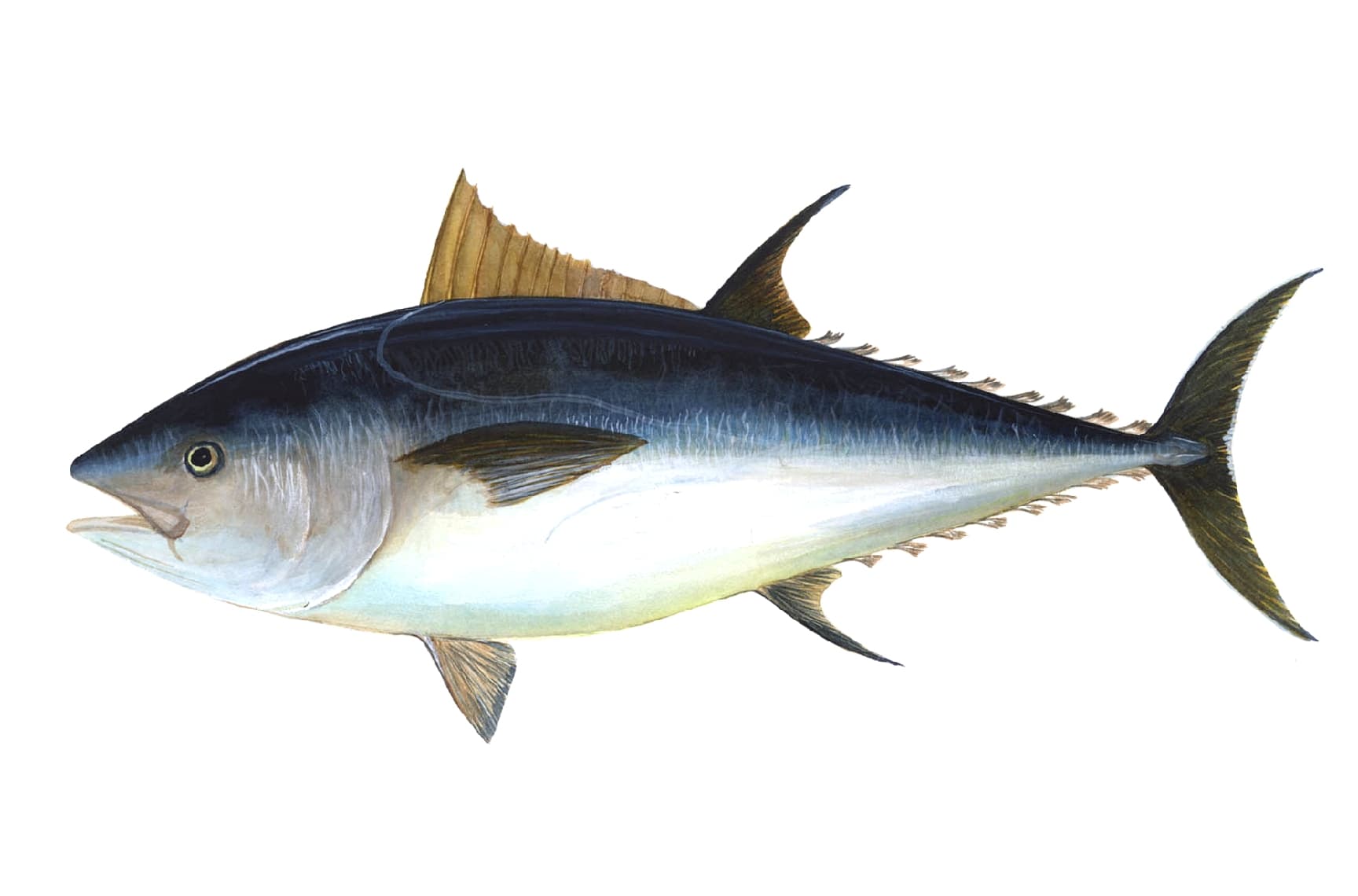
Thunnus thynnus / Thunnus alalunga
Tuna is a powerful offshore fish for boats, trolling, and heavy tackle. It is not a beginner shore target.
summer
1 spots
edible when handled correctly
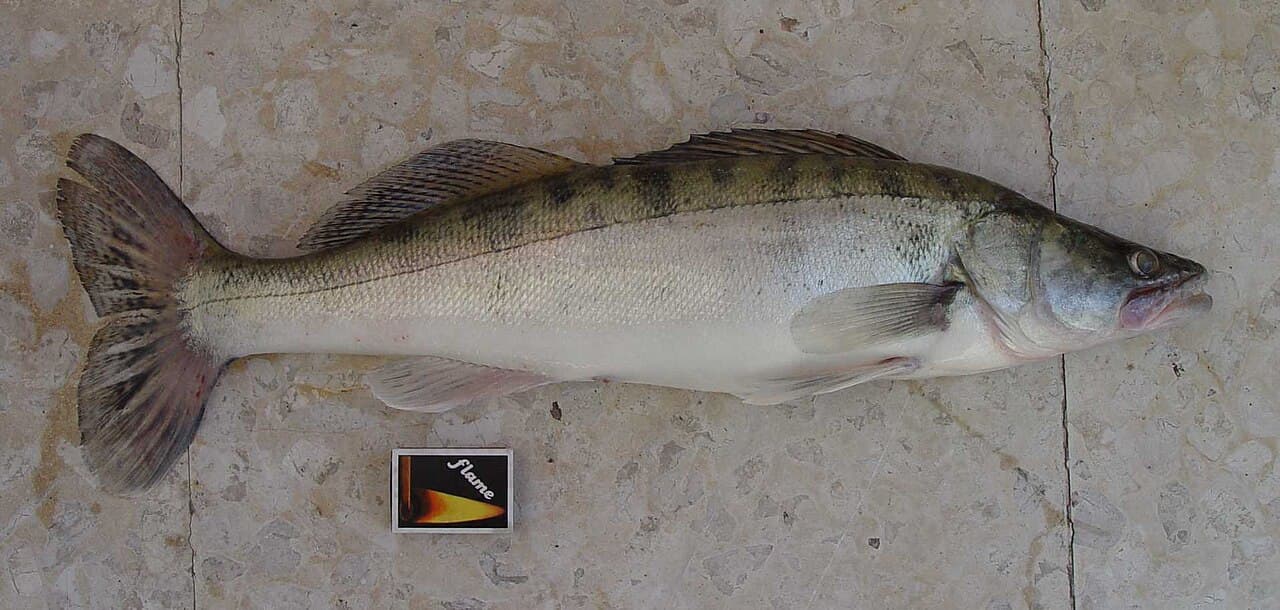
Sander lucioperca
Zander often stays deeper and feeds in short windows. The challenge is finding depth, timing, and the right retrieve.
autumn-spring
6 spots
edible when handled correctly